4 Reasons Why Network Disaggregation is Non-Partisan

This Industry Viewpoint was authored by Richard Brandon, VP of Strategy at RtBrick

The 2024 Trump vs. Harris election presents numerous polarizing issues that teeter headlines daily, including how federal spending should be allocated. Funding within the telecom and broadband space has been an issue of contention for years, most recently playing out in political moves like Trump’s rip-and-replace program, which aimed to eliminate outdated systems, and Biden’s BEAD program, meant to aid the digital divide. … [visit site to read more]

Ghana, Togo and Benin launch free roaming for mobile users

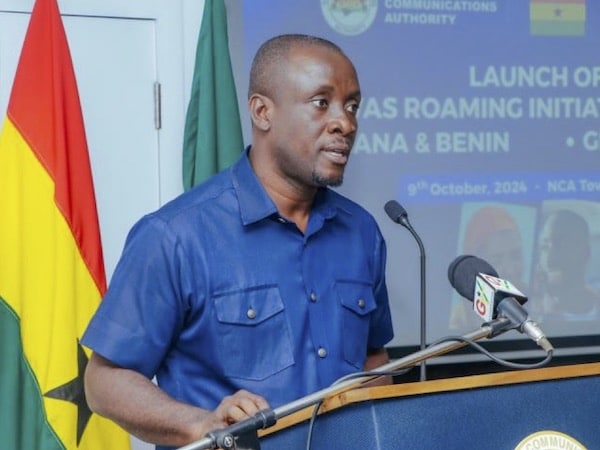
The government of Ghana said that it has implemented free roaming with Benin and Togo, enabling residents of all three West African countries to use their mobile services without having to pay international roaming charges.

According to a statement from Ghana’s National Communications Authority (NCA) on Wednesday, mobile users from Ghana, Togo and Benin can send voice calls and text messages – either locally or internationally – at local rates for 30 consecutive days when they travel within all three countries. Incoming calls and SMSs will be free of charge.

Internet access is also charged at local data bundle rates, although users outside of their home country won’t be able to purchase new data plans.

In a speech at a press event in Accra, Deputy Minister for Communications and Digitalisation Charles Acheampong said the initiative would encourage more travel and create a more unified and interconnected region.

“This initiative will allow our citizens to stay connected seamlessly, without the burden of high roaming charges or the inconvenience of multiple SIMs,” he said.

Michel Yaovi Galley, director general of Togo’s Regulatory Authority for Electronic Communications (ARCEP Togo), said that mobile operators from Ghana, Togo and Benin were all committed to the success of the project.

The agreements are part of the Free Roaming Initiative launched by the Economic Community of West African States (ECOWAS).

While the initiative was signed in 2016, ECOWAS member states have struggled to implement it, not least because of ongoing political and economic instability in the region, as well as the COVID pandemic. It was only in June 2023 that the first free roaming agreement was launched between Ghana and Côte d’Ivoire.

Apart from Ghana, Togo, Benin and Côte d’Ivoire, other ECOWAS members include Burkina Faso, Cabo Verde, The Gambia, Guinea, Guinea-Bissau, Liberia, Mali, Niger, Nigeria, Senegal and Sierra Leone.

Meanwhile, Acheampong urged the NCA to set clear metrics to gauge the success of the roaming initiative.

“Only by measuring our progress can we ensure that we are delivering on the promises made to our citizens and achieving the intended outcomes,” he said.

MORE ARTICLES YOU MAY BE INTERESTED IN…

RACSA takes 5G standalone leap with Nokia in Costa Rica


News

The new 5G standalone network is the first of its kind in the country, and covers key urban centres

Today, Nokia have announced the launch of the first 5G standalone (SA) network in Costa Rica in partnership with Radiografica Costarricense (RACSA).

RACSA, the mobile unit of Costa Rica’s state-owned utilities/telecoms group ICE, says they have already rolled out the new technology in of 30 sites in major cities, including San Jose, Cartago, and Limon, with 170 additional sites due later this year.

In total, 500 sites are planned for deployment in both urban and rural areas as part of the project.

“The utilization of Nokia technology represents a pivotal step in Costa Rica’s digital transformation which RACSA has been playing a key role in for the last 103 years. By deploying the first 5G network in the country, we are not only improving connectivity for businesses and government entities but also enhancing the quality of life for our citizens,” said Mauricio Barrantes, General Manager of RACSA. “The high-speed, reliable network will support innovative applications that contribute to the country’s overall economic and social development.”

Costa Rica journey towards rolling out 5G has been a bumpy one. Plans for initial 5G spectrum auctions have been repeatedly delayed by clashes between the telcos and state regulatory authority Sutel. The issues raised have been myriad, with operators complaining about everything from spectrum pricing to infrastructure sharing obligations and competition concerns.

The country’s latest attempt at the tender process was officially initiated at the start of August this year but was cancelled later the same month due to renewed complaints from the telcos.

Without this spectrum auction, 5G activity in Costa Rica has been very limited, with most of the operators only able to offer small-scale private trials.

RACSA, however, is something of an outlier among the Costa Rican telcos, owning 100MHz of 3.5GHz spectrum, which is ideal for 5G services. As a result, RACSA was able to launch 5G fixed wireless access (FWA) services back in April this year.

It is also presumably this spectrum that is being used to support RACSA’s new 5G standalone network with Nokia.

Keep up to date with the latest international telecoms news by subscribing to the Total Telecom daily newsletter   

Also in the news:
“We’re the best kept secret in data centre and cloud,” says Nokia at Connected Britain Submarine cable damage in the Red Sea ‘severely underestimated’
Vodafone and Google deepen relationship with 10-year AI partnership 

Brazil announces winners of first reverse mobile auction

Operators Brisanet, Ligga/Sercomtel and TIM have been declared the winners of Brazil’s first reverse mobile auction, held by the Ministry of Communications, the regulator Anatel and Seja Digital, the group involved in effecting the transition to digital TV broadcasting in Brazil, which, in turn, has opened up 4G spectrum.

The winners of the first 100% digital auction to choose operators to install and operate telephony and mobile internet antennas in 59 unserved remote locations were announced earlier this week.

Brisanet, Ligga/Sercomtel and TIM will operate in the states of Bahia, Minas Gerais, Mato Grosso do Sul, Pará, Paraíba, Maranhão, Pernambuco, Rondônia, Tocantins and Ceará. They will have 90 days, which may be extendable, to install and operate the infrastructure.

The auction was held in the reverse format, in which the participants who gave the lowest bids for each location won. The event had a ceiling of BRL108.8 million (about US$19.5 million) and was concluded with a 41% discount. The difference will be allocated to other stages of the project, with at least one more round of reverse auction planned. Cloud2u and Claro were also bidders.

The investment will be BRL64 million (about US$11.46 million), a saving of 41% compared to the auction reference value.

Telephone operators were able to choose one or more locations from the list and make a single bid for each one, below the limit stipulated in the notice. The company that adopted the lowest subsidy amount won.

According to Carlos Baigorri, president of Anatel, the first edition of the auction was considered a success. It will be a pilot for others to be carried out in order to use the remaining balance of BRL250 million (US$44.76 million) in available resources.

MORE ARTICLES YOU MAY BE INTERESTED IN…

Nokia and Furukawa expand Brazilian data centre partnership

Technology innovation giant Nokia and Furukawa Electric LatAm, a communications infrastructure solutions manufacturer, have announced plans to expanded their partnership, which was established in 2022, to immediately bring high-performance solutions in data centre automation to Brazil.

The two companies say they will also continue to offer advanced passive optical network (POL) technologies to the Latin American business market.

Security and automation designed for the artificial intelligence (AI) era are the focus of this new phase of the partnership, which is designed for data centres of all sizes in Brazil.

Solutions immediately available for the Brazilian market bring together Nokia’s modern data centre automation platform and Nokia DDoS attack detection and mitigation software.

Furukawa will now offer Nokia’s Data Centre Fabric solution, which includes high-performance data centre switching platforms, running Nokia SR Linux, which is described as a uniquely open, extensible and resilient network operating system.

The Data Centre Fabric solution is managed by Nokia Event-Driven Automation (EDA), a modern data centre network automation platform that, Nokia says, combines speed with reliability and simplicity and provides guardrails that detect errors caused by automation.

Roberto Kihara, General Sales Manager for Furukawa Electric LatAm, describes the POL market as “very hot” in Latin America and notes that the companies have a lot to achieve together in the region’s data centre market. “Brazil is a promising market and exemplary in terms of investment volume and demand for automation solutions,” he adds.

Juan Pablo Anadon, Head of Enterprise, Webscale and Partners Sales for Latin America, Network Infrastructure at Nokia, describes the new EDA platform as “developed for the AI era” and says it simplifies data centre management and can cut down operational efforts by up to 40%. He continues: “Part of our Data Centre Fabric solution, EDA is now available in Brazil just two weeks following its global launch, allowing us to work towards our goal with Furukawa to support and advance data centre networks in Latin America.”

MORE ARTICLES YOU MAY BE INTERESTED IN…

Vodafone’s new cybersecurity platform takes aim at human behaviour 


News 

Half of businesses (50%) have reported having experienced some form of cyber security breach or attack in the last 12 months, according to a recent government survey 

Vodafone has launched a new cybersecurity platform called Vodafone CybSafe, designed to help small, medium, and enterprise businesses reduce the risk of the cyberattacks that stem from human error.  

Developed in collaboration with human risk management experts at CybSafe, the platform aims to enhance the cybersecurity awareness and promote secure behavior within companies. 

Vodafone CybSafe combines AI, data analysis, and behavioral science to evaluate and enhance employees’ cybersecurity practices. It uses SebDB, reportedly the world’s largest cybersecurity behaviour database, to provide evidence-based personalised ’nudges’ to employees, helping them to avoid cybersecurity errors and adhere to best practices.  

The platform also includes training modules designed to empower employees to identify and manage potential cyber threats, such as phishing and ransomware attacks.  

According to Vodafone, 43% of cyberattacks target these SMEs, with 60% of those incidents leading to business closures within six months. 

“In these businesses, people juggle multiple roles and responsibilities and, as a result, cybersecurity can become an afterthought. Yet, these are the organisations most at risk if a cyber incident occurs and the ones most likely to face serious challenges as a result,” said Oz Alashe MBE, CEO and Founder of CybSafe in a press release. 

“We often talk about the human factor in cyberattacks, but we can’t expect people to defend against these threats without proper guidance. CybSafe’s partnership with Vodafone will provide this support, and we are confident it will have a significant impact on the cyber resilience of small and medium-sized businesses,” he continued. 

Vodafone CybSafe is available for purchase through the Vodafone Business Marketplace. 

Keep up to date with the latest international telecoms news by subscribing to the Total Telecom daily newsletter   

Also in the news:
“We’re the best kept secret in data centre and cloud,” says Nokia at Connected Britain Submarine cable damage in the Red Sea ‘severely underestimated’
Vodafone and Google deepen relationship with 10-year AI partnership   

 

iBASIS to manage voice services for Saint Maarten operator

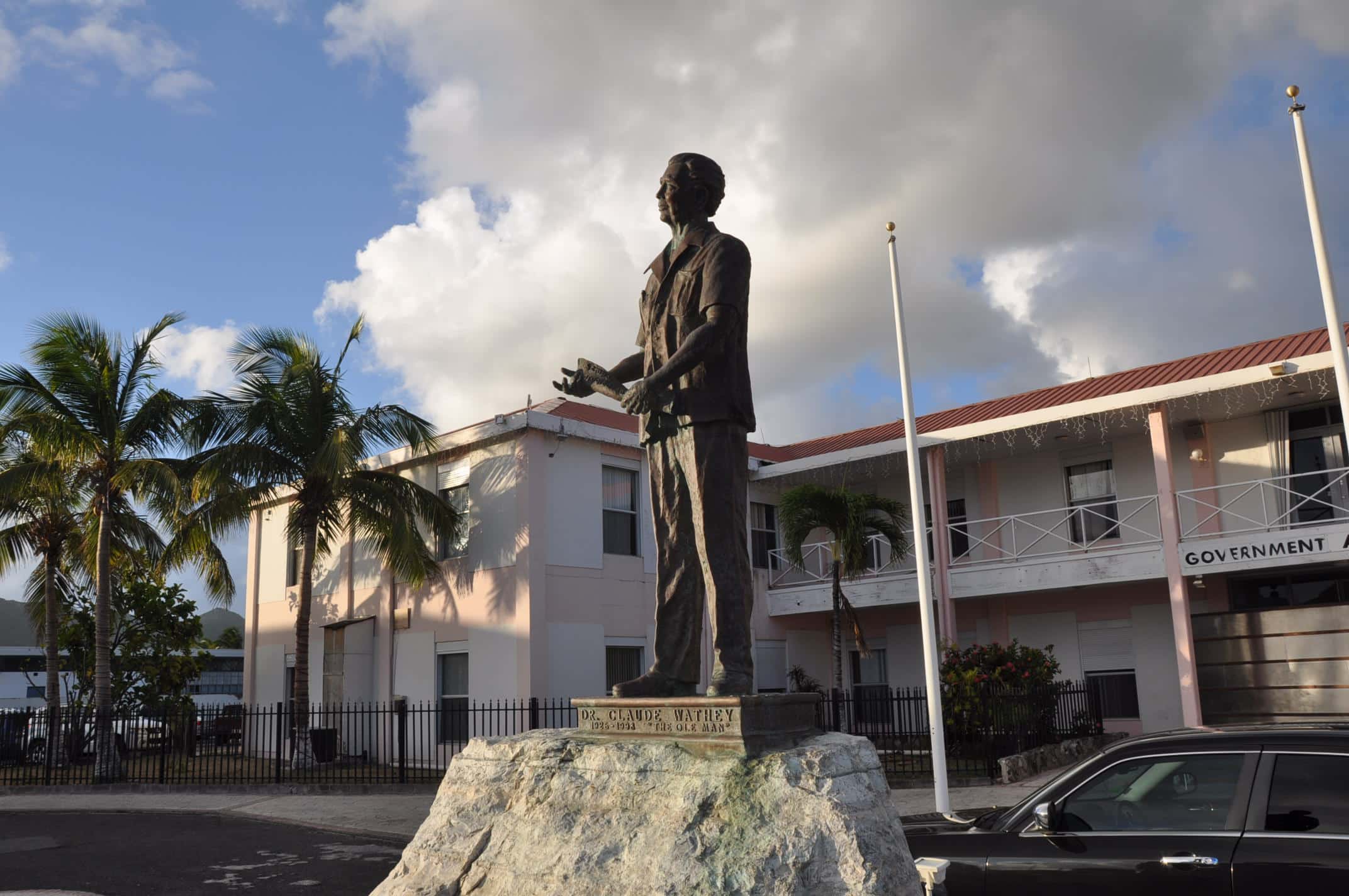
iBASIS, a provider of communications solutions for operators and digital players worldwide, and TelEm Group, one of the leading mobile networks in the Caribbean island of Saint Maarten, have announced a five-year exclusive partnership to manage TelEm’s international voice services in key markets.

TelEm group will reportedly partner with iBASIS as exclusive provider for international voice termination across the Netherlands, Saint Maarten, Antilles, Saba and Sint Eustatius.

Explaining the partnership, Randell Hato, TelEm Group CFO says: “Cost efficiency is critical to our customers. iBASIS provides the perfect balance of affordability and reliability. In the initial phase, we expect a 20% reduction in opex costs. The iBASIS model will also enable us to rapidly roll out new services to stay competitive and foster growth. »

iBASIS cites Data Bridge Market Research, which indicates that the global voice termination market, valued at US$41.50 billion in 2024, is projected to grow to US$26.94 billion USD by 2031, with a compound 15% annual growth rate (CAGR).

An important consideration in this partrhsip is that regional operators like TelEm face increasing challenges including security threats, pricing pressures, and operational complexities. iBASIS says that its managed voice services offer a comprehensive solution covering infrastructure, capacity, security, regulatory compliance, and operational consulting.

Edwin van Ierland, iBASIS COO say that, looking ahead, “TelEm can also leverage iBASIS’s mobile, messaging and bandwidth services to enhance its offerings across the Caribbean islands. »

MORE ARTICLES YOU MAY BE INTERESTED IN…

Deutsche Telekom surpasses German railway connectivity targets 2 years early


News

Ninety-nine percent of German railway passengers on ‘main routes’ can now access speeds of at least 200 Mbps

Deutsche Telekom and Deutsche Bahn, Germany’s state-owned railway company, have made significant improvements to mobile reception on trains in Germany over the past three years, according to a press release published by the companies last week.

Back in 2021, the two companies first began cooperating on this deal, with the goal of significantly improving mobile reception along Germany’s railway network, and specifically, to provide the entire line’s network with high-performance mobile coverage by the end 2026. The partnership aimed to tackle the challenges of providing high quality mobile connectivity under the difficult environmental conditions along the railway routes, such as within tunnels and nature reserves.

Since the collaboration started, the companies have jointly invested ‘a three-digit million amount’ to build and modernise the network’s infrastructure. This included installing over 470 new mobile towers and upgrading approximately 1,900 sites along rail routes.

A key focus was ensuring that 99% of the country’s 7,800km of main routes now offer at least 200 Mbps data speeds, with 95% sections reaching 300 Mbps or more. The companies also made progress on 13,800km of secondary routes (>2,000 passengers per day), increasing availability of 200 Mbps from 73% in 2021 to 94% in 2024.

Further improvements are being planned by 2026.

“The cooperation between Deutsche Telekom and Deutsche Bahn shows that Germany is making progress in digitisation!” said Dr. Richard Lutz, CEO of Deutsche Bahn in a translated press release.

“Together we have managed to ensure that rail passengers can surf and make calls almost anywhere without interruption in the Telekom network. Telekom has strengthened its network for this purpose, and we at DB have equipped our vehicles. Now more and more trains are being added to our fleet with mobile phone-transparent windows. Uninterrupted mobile phone reception is a basic need for our customers,” he continued.

“We built a new mast every two and a half days. We significantly increased data rates. And we saw that network expansion only works when we work together,” said Timotheus Höttges, CEO of DT.

“We need usable space for our locations and faster approval processes. Providing coverage on challenging routes through national parks, mountains, wooded valleys or tunnels requires a lot of patience. We will not let up here either. We have achieved a lot and people are noticing that. But we have not yet reached our goal and must take further steps together.”

In an additional investment, DB is spending €50 million to install over 70,000 train windows that are more easily penetrated by mobile signals. This technology uses a laser to etch a fine pattern into the ultra-thin metal layer that shields the train windows from sunlight, thereby allowing better signal penetration.

These mobile signal-permeable windows are gradually replacing the older repeater systems currently installed on the trains, which used external antennas to transmit signals inside the carriages.

Join us at next month’s Connected Germany 5-6 November in Munich. Get discounted tickets here!

Also in the news:
“We’re the best kept secret in data centre and cloud,” says Nokia at Connected Britain Submarine cable damage in the Red Sea ‘severely underestimated’
Vodafone and Google deepen relationship with 10-year AI partnership