

This week we have some high profile consolidation in the networking business, specifically in the international enterprise arena. BT Group and Verizon have decided to create a 50/50 joint venture, combining BT International and Verizon’s international enterprise wireline going forward. … [visit site to read more]
30
Juin, 2026
Will Iridium acquisition transform satcoms?
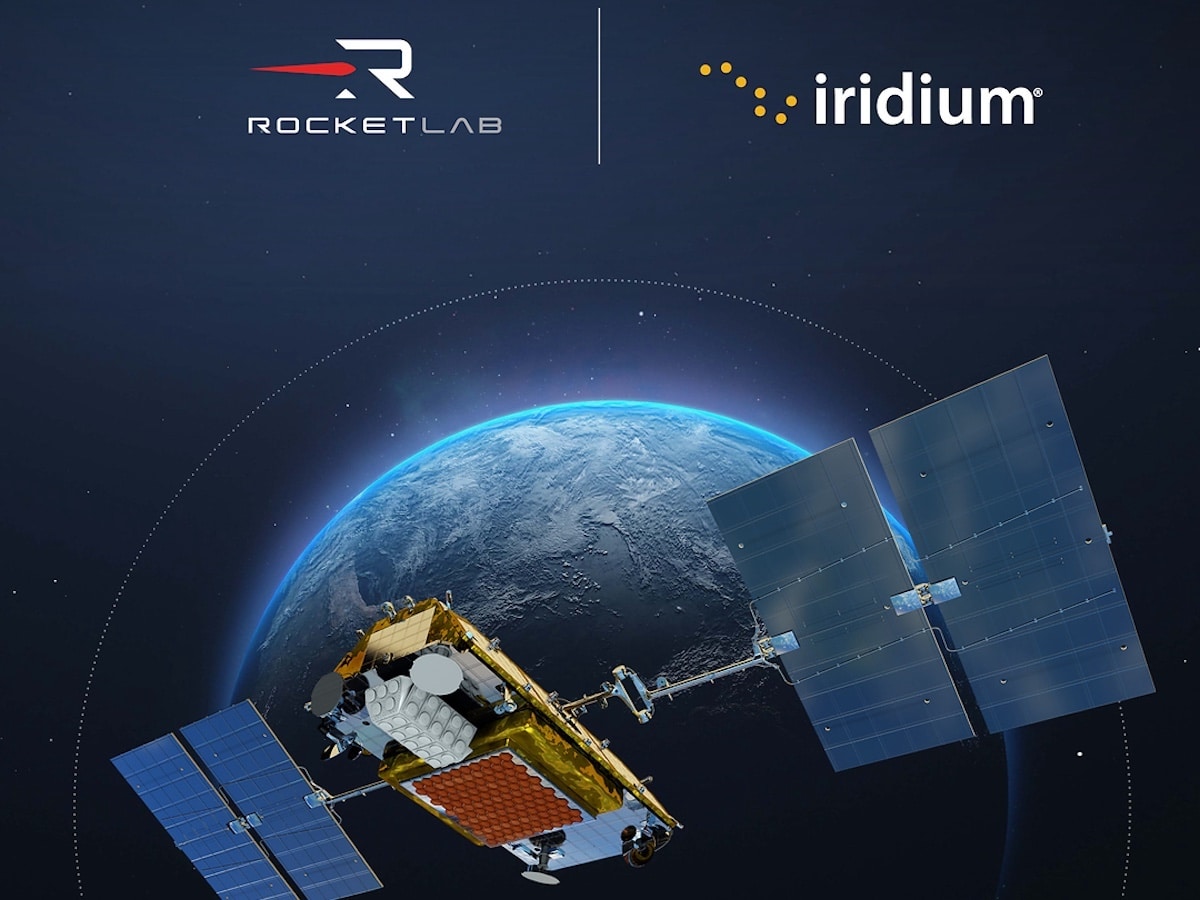
« One of the most transformative deals in the space industry. » That’s the claim of Rocket Lab Corporation, a major name in launch and space systems, and satellite services provider Iridium Communications after the announcement of a definitive agreement under which Rocket Lab will acquire Iridium.
Rocket Lab will acquire all the outstanding shares of Iridium common stock for US$54 per share in a cash and stock transaction. This represents an enterprise value for Iridium of approximately US$8.0 billion.
While the acquisition joins together two innovative American companies to play a leading role in the US space economy, there is a global relevance too.
It merges Rocket Lab’s launch capabilities and satellite manufacturing with Iridium’s global satellite communications network, spectrum, and 500-plus strong partner ecosystem to create what is described as a competitive, vertically-integrated space company that designs, builds, launches and operates its own constellations, delivering critical communications capability to millions of users worldwide.
The transaction will give Rocket Lab an immediate foothold in space-based applications, including both proprietary and standards-based satellite Internet of Things (IoT) and direct-to-device (D2D), positioning, navigation and timing (PNT), and critical safety-of-life services, creating a formidable challenger in the global telecom market.
Rather than simply continuing the Iridium network, Rocket Lab says it will build upon it to scale into untapped markets and pioneer new space-based services to the benefit of global customers.
But will this deal affect developing markets? Possibly not directly, but it may well be relevant to international companies operating in such markets and requiring reliable communications in remote areas.
The SatNews website points out that Iridium brings an active network of approximately 80 cross-linked LEO satellites utilising globally harmonised L-band radio frequency spectrum. This specialised frequency allocation, it notes, offers weather-resilient, low-latency connectivity for voice, data, and Internet of Things (IoT) applications across remote maritime, aviation, and defence sectors.
The asset base also includes a dedicated PNT layer, which serves as an alternative encryption-safe PNT reference architecture in environments where traditional Global Positioning System (GPS) or Global Navigation Satellite System (GNSS) frequencies are jammed, degraded or otherwise unavailable.
There are cost implications too. The website highlights a structural shift projected to eliminate external third-party launch procurement costs, internalise launch service profit margins, and secure long-term manifest certainty for constellation replenishment as global launch availability tightens.
Sir Peter Beck, founder and CEO of Rocket Lab explains: “By marrying Iridium’s deep heritage, trusted infrastructure, and highly sought-after spectrum with Rocket Lab’s extensive and proven launch and manufacturing capabilities, we have the capability to unlock entirely new markets. We will go far beyond maintaining a legacy; we are going to build upon it to pioneer next-generation space applications and deliver sought-after capabilities to existing and new customers.”
This announcement comes only a matter of days after satellite operators Amazon, Iridium, Telesat and Globalstar launched a new trade association representing the non-geostationary (NGSO) satellite economy: the SpaceConnect Association. It’s not clear how or whether the new grouping will be affected by this news.
Monday Roundup: Wyyerd, Colt, Extreme, MatSing, Shentel, GOCare
A few items to catch up with: … [visit site to read more]
29
Juin, 2026
China Telecom and Huawei Win TM Forum 2026 Excellence Award for Second Straight Year
Press Release
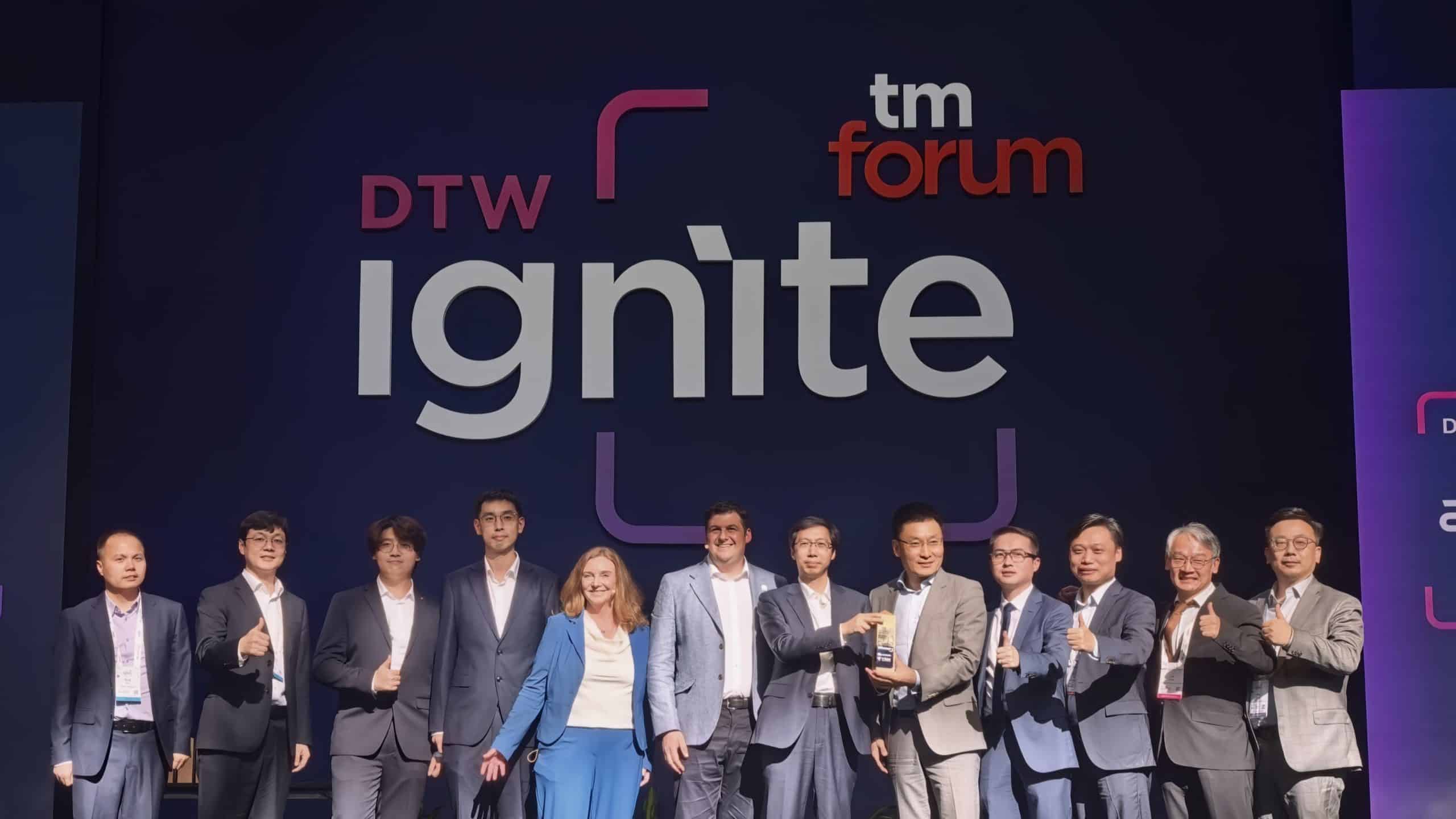
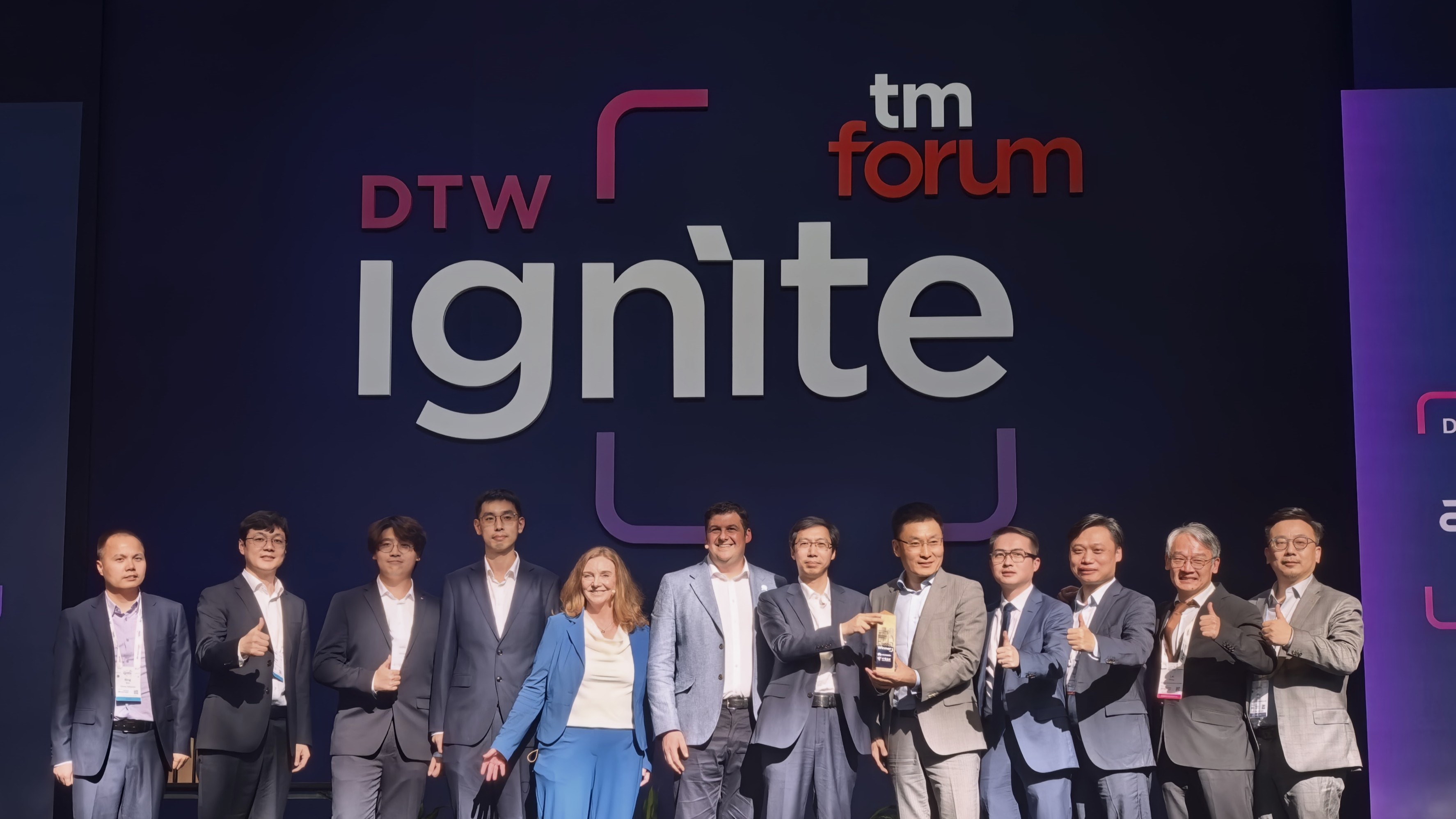
[Copenhagen, Denmark, June 26, 2026] At Digital Transformation World (DTW 2026) hosted by TM Forum, the joint project submitted by China Telecom and Huawei—”To AN Level 4 and Beyond – How 900+ AI Agents Have Transformed China Telecom’s Operations”—was honored with the 2026 Excellence in Autonomous Networks Award. This marks the second consecutive year the partners have taken home a heavyweight industry award, following their success at the 2025 TM Forum Excellence Awards. This latest win underscores high industry recognition for their breakthrough progress in the evolution of autonomous networks.
Booming services, including mobile AI, live streaming and mobile gaming have raised consumer expectations for mobile network quality. To address this demand, China Telecom and Huawei have co-developed a domain-specific large model dedicated to radio network experience improvement: the Network Experience Improvement Large Model. Built on China Telecom’s proprietary network large model foundation and powered by SRCON 2.0 (Simulated Reality of Communication Networks 2.0) as its core engine, the model identifies poor-QoE events network-wide and translates complex user experience anomalies into precise, readily actionable network optimization solutions. Combined with large language models to enable end-to-end autonomous operation, the solution effectively improves network quality, mitigates potential customer complaints and consistently boosts user satisfaction.
The solution has been rolled out across 21 cities with remarkable results: grids suffering from poor user experience have been cut by 20%, while network-related customer complaints have dropped by 10%. The deployment successfully converts AI computing power into tangible, high-quality network experiences for end users.
Looking ahead, China Telecom and Huawei will further deepen their strategic partnership to drive technological innovation and standards development. Committed to building AI that truly “understands networks and users,” the two parties will keep injecting robust momentum into the intelligent transformation of the global communications industry, and translate the requirements for developing new quality productive forces into concrete industrial practices.
29
Juin, 2026
Indonesia’s Indosat Ooredoo Hutchison and Huawei Win TM Forum 2026 Excellence in AI & Data for business impact Award
Press Release
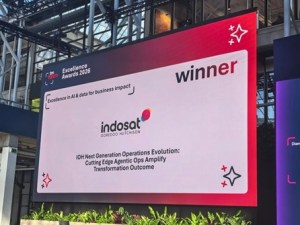
[Copenhagen, Denmark, June 24, 2026] At the DTW 2026, Indosat Ooredoo Hutchison (IOH), in partnership with Huawei, won the “Excellence in AI & data for business impact” award for the new Generation intelligent operations solution AUTINOps based on the AI-Native Framework for Intelligent Operations. Leveraging cutting-edge technologies such as Digital Twin Network (DTN), Multi-agent collaboration, and Domain Specific Model (EDNS 2.0), the solution addresses the complex challenges of network operations in Indonesia, establishing a benchmark for AI-Native-driven operations transformation in the global telecom industry.
IOH and Huawei are committed to joint innovation centered on value and technology, pioneering the deployment of the AUTINOps solution across IOH’s network. This initiative elevates technology, processes, and organization through comprehensive intelligent transformation. By applying data governance framework of “Identify-Analyze-Optimize-Retain,” along with full-domain DTN and EDNS 2.0. These enable real-time, network-wide visibility, supporting fault management and predictive risk prevention. Through core capabilities such as multi-agent collaboration, dynamic chain-of-thought, and domain knowledge management, the solution achieves an 80% one-hop closure rate for fault-handling and reduces mean time to repair (MTTR) by 15%. In terms of network quality, availability improved from 99.3% to 99.7%, and site traffic loss decreased by 15%.
Simultaneously, both parties redefined the operations model, streamlining the original nine-step manual process into a two-step intelligent closed loop. This transformation facilitated the skill upgrade of over 400 operations personnel and cultivated 65 “digital employees,” establishing a new intelligent operations paradigm characterized by “humans supervising/enhancing AI Agents to execute and close tasks.”
The solution has been deployed at scale across all IOH network domains, including wireless, microwave, IP, transport, and energy, with annual agent calls exceeding 2 million, supporting communication services across more than 17,000 islands in Indonesia. Furthermore, based on project practices, IOH and Huawei have contributed 15 new standards, protocols, and methodologies to TM Forum, providing reusable practical experience for the digitization operations transformation of global operators.
IOH and Huawei Win “Excellence in AI & Data for business impact” Award
This TM Forum Excellence Award reaffirms Huawei’s technical strength and deployment capabilities in intelligent operations. Huawei will continue to explore and practice Agentic Operations together with leading operators like IOH, accelerating the journey towards ANL4 and implementing a new operations paradigm driven by value.
29
Juin, 2026
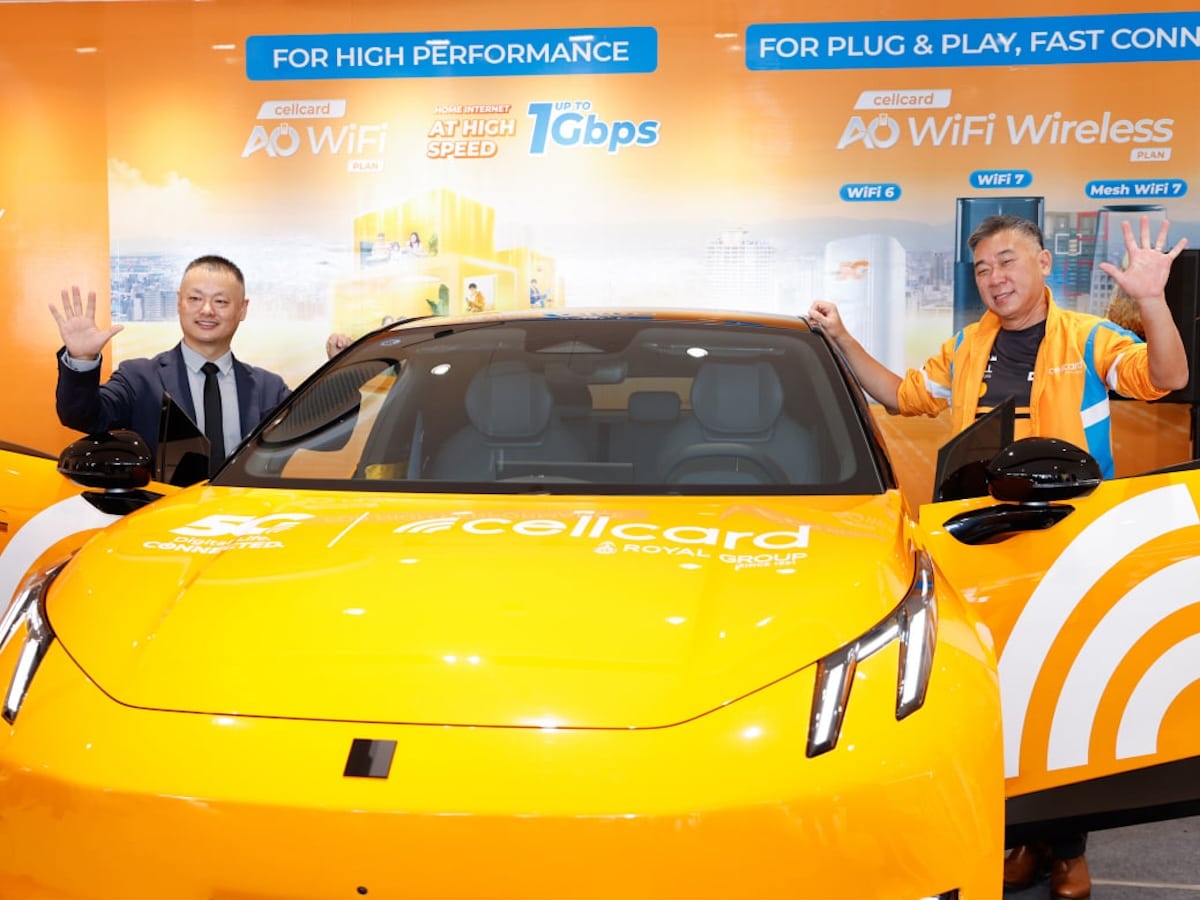
Cambodia’s Cellcard in connected car partnership with ZDG and Lynk & Co
Cambodian telco Cellcard (a.k.a. CamGSM) announced a strategic partnership on Saturday with auto manufacturer ZDG to launch a new connected electric vehicle from Chinese auto maker Lynk & Co.
The new Lynk & Co Z20 vehicle uses Cellcard’s 4G and 5G network to support features such as streaming music, live HD video for passengers, hands-free Bluetooth voice calling and real-time route navigation and vehicle services, as well as over-the-air updates.
Cellcard said the Lynk & Co Z20 smoothly connects to its 5G and 4G networks in Cambodia’s main market centres, including Phnom Penh, Sihanoukville and Siem Reap, as well as along the highways that connect those cities.
“At Cellcard, our vision is to keep our customers connected no matter where they live, work, play, or study. Today, we’re expanding that experience to travel,” said Cellcard CEO Yap Kok Leong in a statement. “With Cellcard’s 5G and 4G networks, customers can enjoy a seamlessly connected driving experience in major market centres and highways.
As part of the promotion, Cellcard and ZDG said that they will also install electric vehicle charging stations at selected Cellcard locations to support Cambodia’s growing electric vehicle community. While the charging stations will be accessible to all electric car owners, Cellcard customers will be able charge their cars for free.
Hu Tong, president and CEO of ZDG (Cambodia) Co, Ltd, said the announcement marks the beginning of a comprehensive collaboration between Cellcard and ZDG to develop connected travel solutions, customer experiences and digital services.
“The Lynk & Co Z20 car is designed for the era of connectivity. Together with Cellcard we are offering an electric car that combines advanced technology, luxurious design and seamless connectivity to create a new and safer driving experience for Cambodian consumers,” he said.
ZDG received approval from the Council for the Development of Cambodia (CDC) in March this year to establish a vehicle assembly plant in Kandal province that will specialise in assembling Lynk & Co vehicles.
Lynk & Co is a joint venture established in 2016 by Chinese auto makers Zeekr and Geely Auto, with Zeekr holding a controlling 51% stake.
28
Juin, 2026
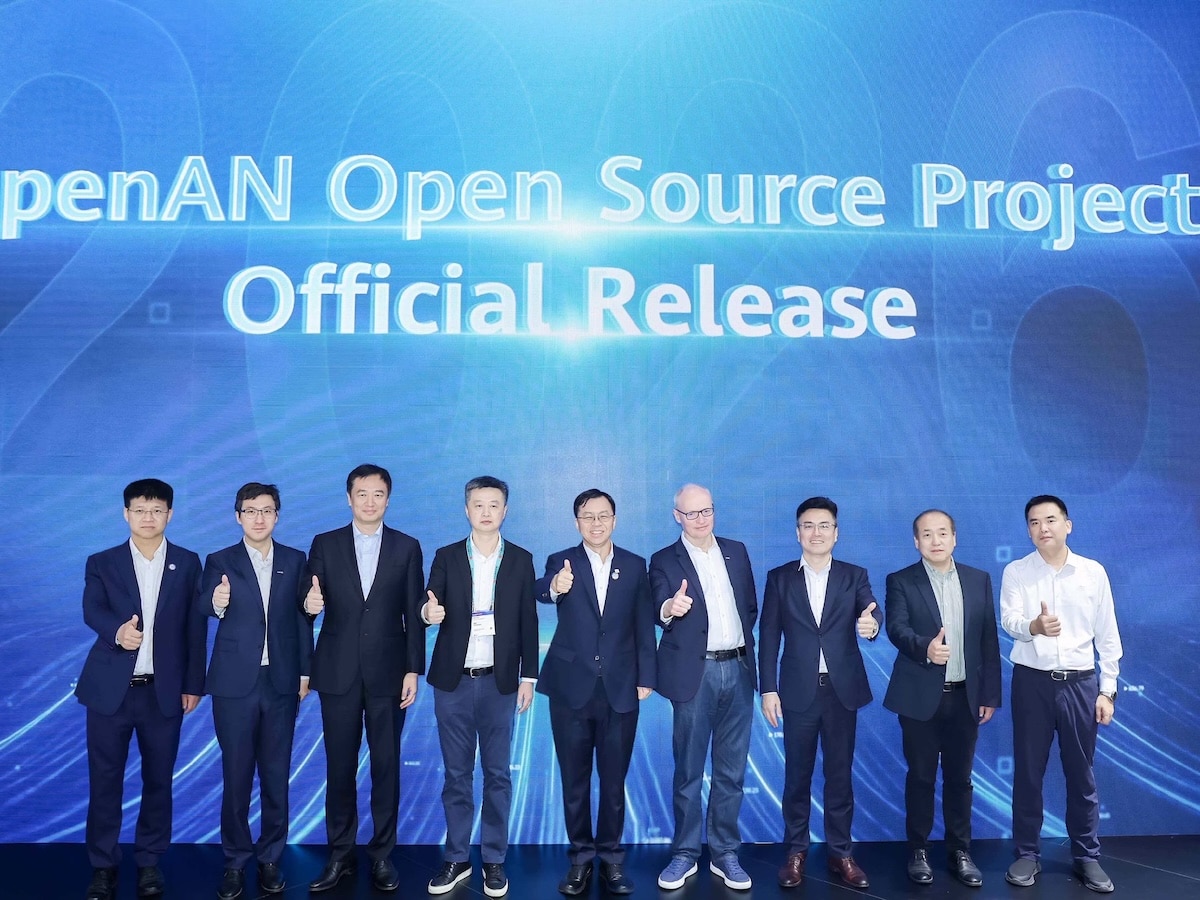
OpenAN project aims to enable O&M agent collaboration in autonomous networks
China Mobile, the GSMA, Huawei and other partners have officially launched “OpenAN”, an open-source project that aims enable collaboration and interoperability between O&M agents in autonomous networks, enabling them to evolve to Level 4 autonomy.
The project – launched on Thursday at Mobile World Congress Shanghai 2026 – is part of a broader effort by the telecoms industry to build an open, interoperable and AI-native ecosystem for autonomous networks within the Linux Foundation Networking (LFN) community. China Mobile is serving as the chair of the OpenAN project.
According to the TM Forum’s AN Levels Evaluation Methodology, Level 4 autonomy means networks can largely run themselves, handling most operational tasks automatically, with human oversight for only the most complex or strategic situations.
As telcos start commercially deploying Level 4 autonomous networks on a larger scale, the telecoms industry’s focus is shifting beyond operational automation toward autonomous decision-making and value creation. A fundamental building block for next-generation network operations is intelligent agents, which enable AI to move from isolated applications to collaborative intelligence across networks, operations and services.
However, this poses numerous challenges, ranging from trusted AI collaboration, cross-domain and multi-vendor interoperability to large-scale multi-agent orchestration, and the cost efficiency of token-based AI interactions.
OpenAN proposes to tackle these challenges via an open, community-driven approach to provide a common technical foundation for telecom AI agent collaboration at both the protocol and framework layers, developed under the Linux Foundation’s open governance model.
At the protocol layer, the project extends the A2A (agent-to-agent) protocol with A2A-T (agent-to-agent for telecoms), which provides telecom-specific SDKs and enhancements in reliability, security and support for high-value operation scenarios.
At the framework layer, OpenAN provides a complete open-source framework that supports secure on-premises deployment for communications service providers, significantly reducing Internet exposure while enabling enterprise-grade AI deployment.
The framework also integrates a standardized core registry module and A2A-T toolkit led by China Mobile. The module and toolkit – which have both have been contributed to the LFN community – allow reusable capabilities to be assembled and deployed once operational scenarios are defined.
OpenAN aims to accelerate industry collaboration, expand community participation, and promote large-scale adoption of telecom AI agents across commercial networks worldwide. China Mobile said OpenAN welcomes contributions to the project from operators, vendors, AI developers and research organizations worldwide.
China Mobile said the launch of OpenAN “represents the world’s first fully open-source framework dedicated to telecom O&M agent collaboration, marking an important step in bringing multi-agent technologies from research into real-world deployment.”
Looking ahead, China Mobile said it will “continue working with global industry organizations, open-source communities, communications service providers, technology vendors and AI partners to expand the OpenAN ecosystem, strengthen its governance and technical capabilities, and encourage broader community participation.”
China Mobile itself achieved Level 4 autonomy last year. David Martin, associate senior analyst at STL Partners, recently told Developing Telecoms that developing market operators potentially stand to benefit from China Mobile’s experience, noting that adopting autonomous-network technology early could help them tackle the challenges their developed counterparts are already facing in their automation journeys.
26
Juin, 2026

Starlink offers free internet in Venezuela after earthquakes
Starlink will provide one month of free satellite internet service to users in Venezuela following the devastating earthquakes that struck the country this week, helping restore communications in affected areas.
According to Reuters, SpaceX’s satellite broadband business is also deploying additional Starlink terminals to regions where communications infrastructure has been damaged by the disaster.
The move highlights the growing role of low Earth orbit (LEO) satellite networks in emergency response, providing connectivity when terrestrial mobile and fixed networks are disrupted. Starlink has previously supplied emergency communications following natural disasters and conflicts, including in Ukraine and after major hurricanes.
The initiative also reflects the increasing importance of satellite connectivity across Latin America, where operators and governments are increasingly turning to LEO services to extend coverage in underserved and disaster-prone areas.
26
Juin, 2026
Deepening the Transformation Process, Ushering in a New Era of Intelligent Operations
Press Release
Huawei with TM Forum and 12 Operators, Jointly Releases the New-Generation Intelligent Operations White Paper 4.0
[Copenhagen, Denmark, June 23, 2026] At the DTW Ignite 2026, Huawei in collaboration with TM Forum and 12 global operators, jointly released the New-Generation Intelligent Operations White Paper 4.0. This white paper focuses on Agentic Operations, integrating practical achievements from multiple global operators. It elaborates on the AI-native operations architecture, implementation pathways, and business value, aiming to accelerate the construction of a new paradigm for ICT operations, unleash new value, and enable a leap for operational intelligence.
Since the first version was released in 2023, Huawei has released four generations of white papers, continuously evolving along the operational transformation path of “network-centric,” “service-centric,” and “value-centric.” Based on technological advancements and industry pain points, White Paper 4.0 proposes an AI-Native intelligent operations value proposition: value-driven, with Digital Twin Network (DTN) and Domain Specific Model (EDNS 2.0), and a new paradigm of intelligent operations featuring Hybrid Team + Agentic Process.
White Paper 4.0 distils a “Three-Stage, Six-Step” methodology encompassing data governance, process re-engineering, and organizational transformation, along with a four-stage data governance framework of “Identify-Analyze-Optimize-Retain.” Simultaneously, leveraging DTN and EDNS 2.0, continuously scans network and service status in real-time, identifies risks, and generates remediation plans. This ensures the effectiveness of backup and disaster recovery mechanisms at the T0 moment, guaranteeing stable service operations. By eliminating risks at the T-1 moment and enabling rapid fault recovery at T0, it establishes a “dual protection” for intelligent operations.
Based on this framework, a new operational paradigm is redefined: shifting from humans utilizing tools to execute and close tasks, to humans supervising/enhancing AI Agents to execute and close tasks. Through intelligent agents, massive-scale tasks such as inspections and fault handling are automated, allowing personnel to shift focus to high-value work like complex problem-solving and agent development/optimization. Several operator practices have already been implemented, achieving an agent one-hop closure rate of over 80%, supporting the dual enhancement of network and service quality.
Danwill Duan, President of Huawei ICT Assurance and Operation Services Domain, stated: “Agentic Operations is an inevitable trend in the evolution of network operations. White Paper 4.0 consolidates the exploration achievements of the entire industry. We hope to take this as an opportunity to collaborate with more partners to effectively address challenges, create greater value, and accelerate the journey towards AN L4.”
In the future, Huawei will continue to collaborate with global operators and standards organizations, deepen technological innovations in Domain Specific Models, Digital Twins of Networks, and AI Agents, continuously improve the new-generation intelligent operations framework, and accelerate the transformation of technological innovation into operational benefits.
President of Huawei ICT Assurance and Operation Services Danwill Duan
Interprets White Paper 4.0
Official Download Link for the New-Generation Intelligent Operations White Paper 4.0:
26
Juin, 2026
Mobile-based UNESCO project to train women teachers in South Sudan
UNESCO said on Wednesday it has launched the rollout of a new mobile-based teacher professional development initiative in South Sudan that focuses on empowering women school leaders and teachers.
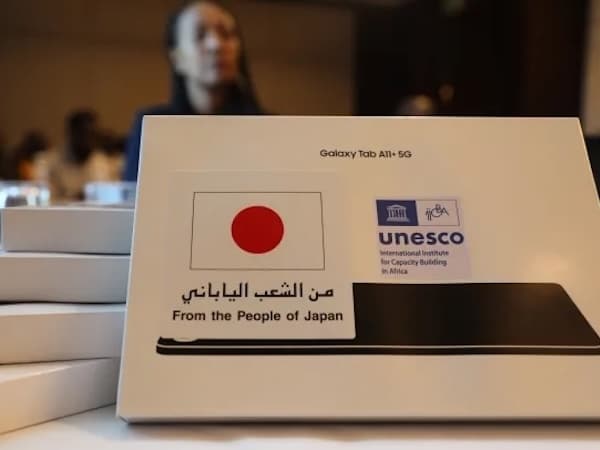
The initiative – spearheaded by UNESCO and its International Institute for Capacity Building in Africa (IICBA) – will use mobile technology and edge computing systems from Japanese IT services and consulting firm Castalia to expand access to professional learning opportunities.
Under the initiative, teachers will be able to access self-paced courses, learning resources and peer-learning networks regardless of location via a platform designed for low-data and offline use.
Forty tablets were also provided to participants to support the rollout of the program, although Yayoi Segi-Vltchek, office head and UNESCO representative to South Sudan, said the success of the initiative won’t be measured by the number of tablets distributed or the number of trainings conducted.
“Its true success will be reflected in how effectively you cascade the knowledge acquired, how many teachers continue to engage with the learning platform, how well you support your peers, and ultimately how many children benefit from improved teaching and learning in classrooms across South Sudan,” Segi-Vltchek said in a statement.
UNESCO said the initiative aims to address the fact that many educators in South Sudan, particularly in remote and underserved areas, have limited opportunities to participate in regular training due to distance, time constraints and economic pressures. These barriers often disproportionately affect women educators.
Natale Majok Lual, principal of Aweil-Maper Teacher Training Institute in Northern Bahr el Ghazal State, said that teachers in South Sudan face a heap of challenges, from the country’s economic crisis, lack of salaries, and the distance they must travel to school to the fact that there simply aren’t enough teachers.
“Some don’t have access to digital equipment, which is needed in today’s world,” Natale said. “This training and project will help introduce our teachers to digital learning and new possibilities and help ease some burdens. For some who cannot travel to the institute regularly, they will now be able to learn online.”
The initiative was officially launched last week during a workshop organised by UNESCO and IICBA in Juba, which brought together education officials from the Ministry of General Education and Instruction and teacher educators from universities and training institutions. The workshop is part of a one-year project being implemented across Algeria, Cameroon, Kenya, Nigeria and South Sudan with support from the Japanese government.
Japan is also providing financial support for the mobile-based teacher development initiative, along with the Pan African Virtual and Electronic University (PAVEU) initiative of the African Union’s Pan African University.