Engineering for 8pm: Why adaptive busy-hour capacity will define the next phase of FWA

Engineering for 8pm: Why adaptive busy-hour capacity will define the next phase of FWA

This Industry Viewpoint was authored by Paul Wright, Chief Revenue Officer at CBNG

For much of the past decade, Fixed Wireless Access (FWA) has been marketed around peak sector throughput. Vendors highlight multi-gigabit physical layer rates. Operators quote headline sector capacity. Lab demonstrations showcase ideal single-user speeds under pristine radio frequency (RF) conditions. … [visit site to read more]

T-Mobile and TPG eye Uniti’s fibre assets

News

T-Mobile and private equity firm TPG are considering a bid to carve up Uniti Group, with T-Mobile targeting the consumer last-mile fibre business and TPG interested in the wholesale and enterprise fibre assets, according to reports.

Uniti has spent the past year repositioning itself around fibre following the recombination with Windstream, accelerating buildouts and shifting customers from legacy copper services to modern fibre networks. Uniti’s Q4 results for 2025 saw the company add 28,000 net Kinetic fibre subscribers and pass an additional 80,000 premises with fibre, bringing total premises passed close to 1.9 million.

Management has emphasised a balanced strategy across retail, wholesale and enterprise lines, with Kinetic focused on smaller metro and suburban footprints while the enterprise and carrier transport business supplies long-haul routes and wholesale capacity. Investor materials highlight a presence across some 18 states, with more than half of households located in the Southeast and a significant concentration in Tier 2 and Tier 3 markets where competition is lighter.

The company has yet to begin a formal sale process, but has said it is open to reviewing interests from several parties.

For T-Mobile, acquiring a built fibre last-mile could fast-track its fixed broadband ambitions and provide a ready retail brand and subscriber base to pair with its wireless services. However, it would also bring substantial legacy copper liabilities and migration challenge, with Uniti currently transitioning some of its customers to its fibre networks.

TPG’s interest, on the other hand, would be consistent with its recent activity in communications infrastructure, having pursued large-scale fibre and tower opportunities in recent years.

No financial details of the potential offers have been revealed.

Nonetheless, the rumour has triggered a sharp uptick in Uniti’s share price, jumping roughly 14% on the news.

Keep up to date with all the latest telecoms news with the Total Telecom newsletter

Also in the news
World Communication Award Winners 2025
Ofcom clears the way for satellite-to-smartphone services
LG Uplus’s AI voice call app glitch leaks user data

Microsoft commits US$41bn to boost Thailand’s cloud and AI ambitions

Microsoft has outlined plans to expand its presence in Thailand with a US$41 billion investment in cloud and AI infrastructure over the next two years.

The announcement followed a meeting between Microsoft Vice Chair and President Brad Smith and Prime Minister Anutin Charnvirakul. Microsoft said the investment forms part of its Advancing National Growth, Prosperity, and Global Competitiveness with AI initiative, aimed at widening access to cloud and AI technologies and upskilling millions of people across the Thai economy.

Prime Minister Anutin Charnvirakul said Thailand aims to become a regional driving force in Asia’s digital and AI sector. As part of this ambition, the country is working to strengthen its foundations through a national strategy focused on so-called ‘new S-Curve industries’ – emerging sectors characterised by slow initial growth followed by rapid acceleration, such as the smartphone market.

Smith added that cloud and AI infrastructure is increasingly central to economic development.

Microsoft has been building its relationship with Thailand since November 2023, including visits by CEO Satya Nadella and Asia President Rodrigo Kede Lima to Bangkok in subsequent years.

The company has also announced partnerships with operators Advanced Info Service (AIS) and True Corporation to support its AI ambitions, including plans to establish a Microsoft National AI Innovation Center.

Digital sovereignty

Alongside infrastructure development, the investment is designed to ensure data remains within Thailand’s borders, aligning with national frameworks on data governance, cybersecurity and AI regulation.

Microsoft has been working with Thailand’s Council of State to help shape the legal and governance structures needed to support the country’s evolving digital economy.

The company also plans to upskill and certify 150,000 people in partnership with Thailand’s Ministry of Labour, offering access to around 280 AI training courses.

Dhanawat Suthumpun, Managing Director of Microsoft Thailand and Emerging Markets, said AI presents a major opportunity to drive inclusive growth. He noted that putting AI tools into the hands of individuals, businesses and public sector organisations can unlock innovation, transform ways of working and create new economic opportunities, ultimately strengthening Thailand’s competitiveness and broader social development.

Sparkle Empowers EdgeNext’s European Expansion with Robust Connectivity

Rome, 2 April 2026

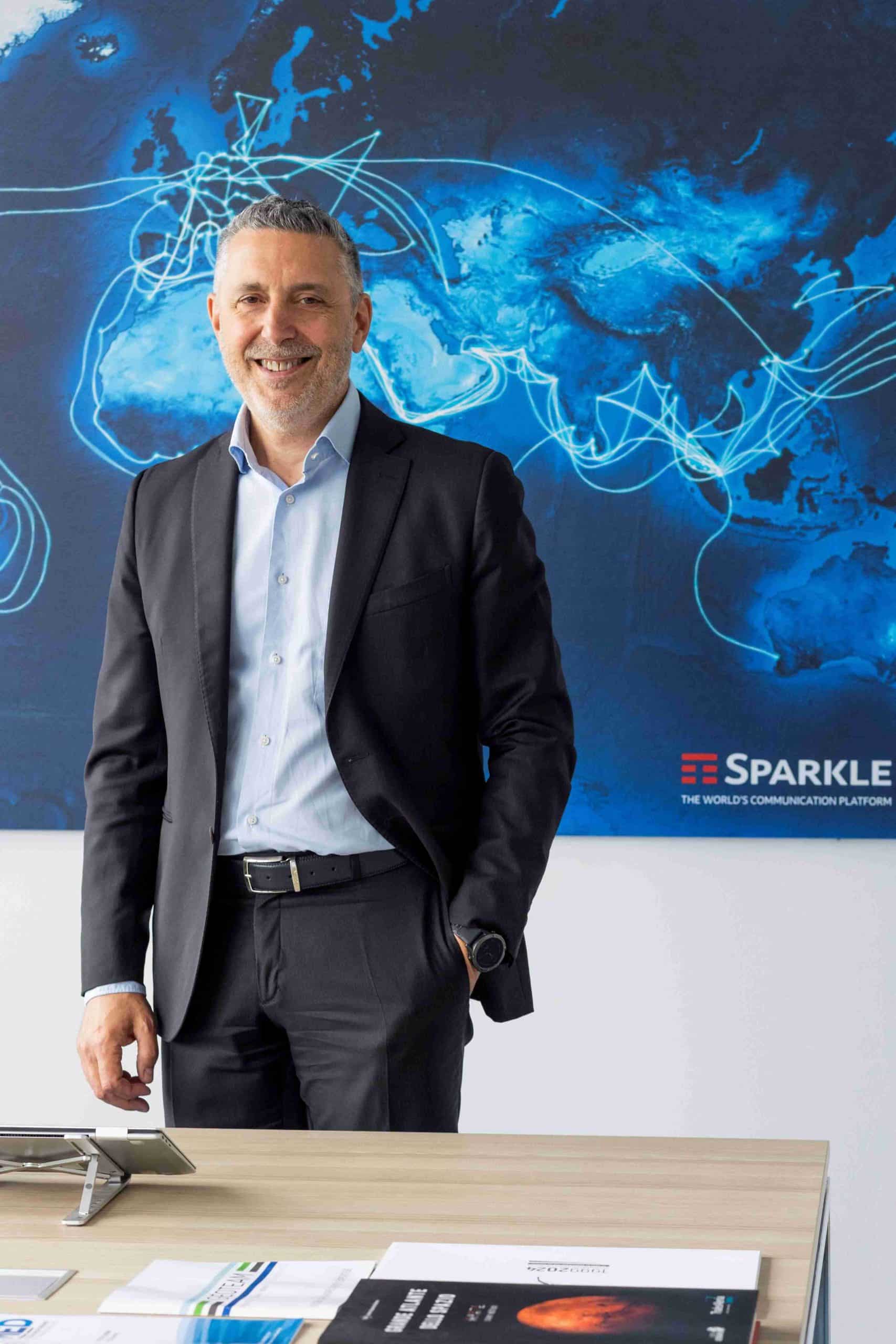
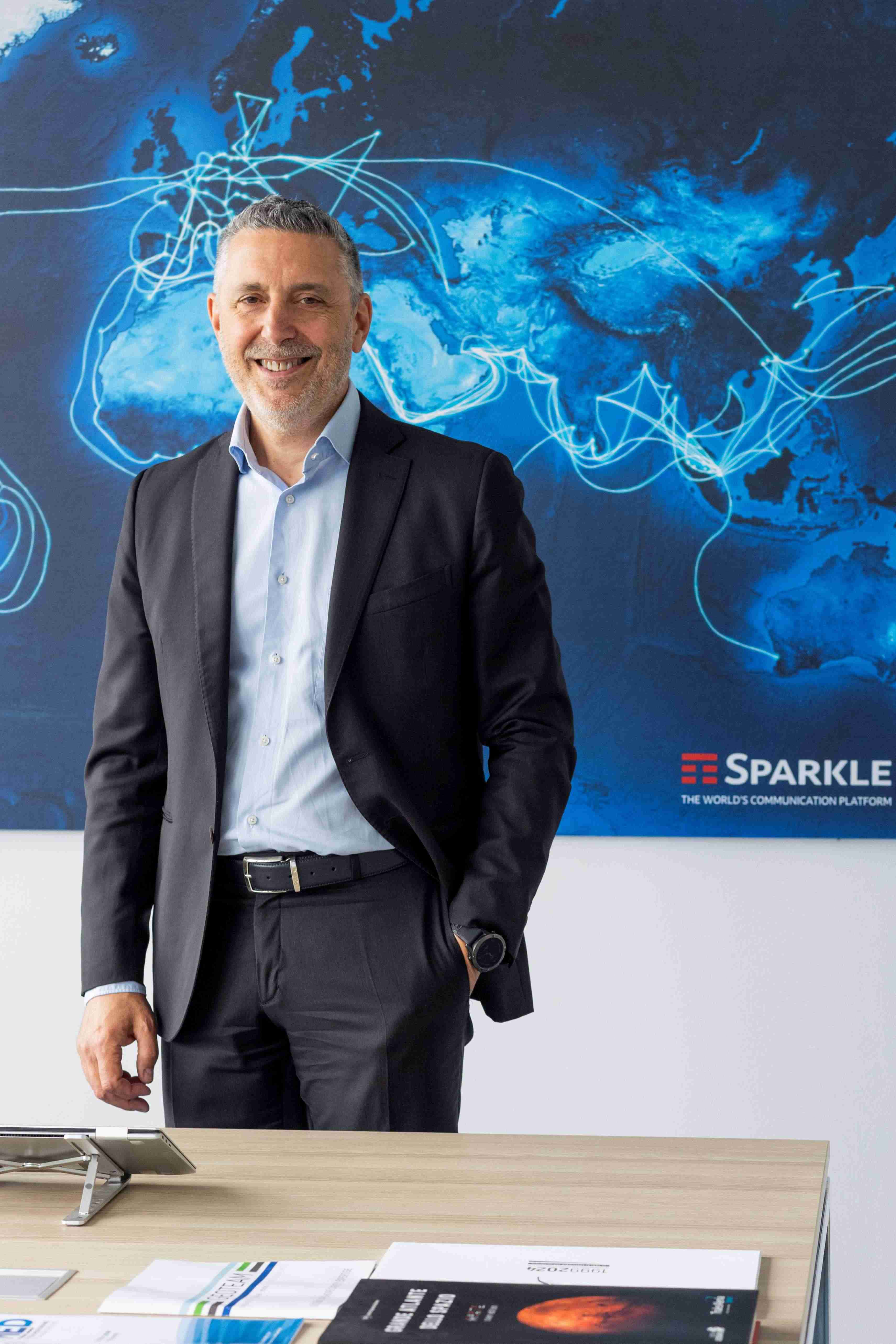
Sparkle, the first international service provider in Italy and among the top global operators, announces a new collaboration with EdgeNext, a global Content Delivery Network (CDN) and Intelligent Edge Cloud Platform, for the provision of International IP Transit services in Europe. Through this agreement, Sparkle enables EdgeNext to expand its network presence beyond Asia, providing its European clients with faster, more reliable connectivity.

EdgeNext is a leading provider of edge cloud services, offering networking, security, and computing solutions to enterprise clients. The company operates over 1,500 edge nodes across more than 290 cities worldwide, supporting its goal of delivering reliable, high-performance digital access globally, with a focus on Africa, Central Asia, Southeast Asia, and the Middle East, with plans to expand further internationally.

Under the agreement, Sparkle will provide IP Transit via its Tier 1 global IP backbone, Seabone, offering reliable, low-latency IP transit services in Europe with throughput in the range of Terabits per second. Both companies aim to replicate this success in Africa and South America, expanding global digital access and enabling the next generation of cloud services.

We are pleased to partner with EdgeNext in their expansion to Europe,” said Enrico Bagnasco, CEO of Sparkle. “Through our Seabone network, we are able to provide reliable, high-performance connectivity to support their cloud and CDN services, helping them deliver optimal experiences to their clients.

Partnering with Sparkle allows us to rely on a Tier 1 global operator, extending our network capabilities beyond Asia,” said Terence Wang, CEO of EdgeNext. “Through this collaboration, we can offer faster and more reliable services to our European clients, marking an important step in our international expansion.

With 89 PoPs in Europe and a comprehensive suite of IP solutions, including DDoS Protection and Virtual NAP, Sparkle positions itself as a partner of choice for cloud providers and network operators worldwide, delivering ultra-fast, low-latency, high-performance connectivity across Europe and beyond.


About Sparkle

Sparkle is TIM Group’s global operator, first international service provider in Italy and among the top worldwide, offering a full range of infrastructure and global connectivity services – capacity, IP, SD-WAN, colocation, IoT connectivity, roaming and voice – to national and international Carriers, OTTs, ISPs, Media/Content Providers, and multinational enterprises. As a leading player in the submarine cable industry, Sparkle owns and manages a network of more than 600,000 km of fiber stretching across Europe, Africa, the Middle East, the Americas, and Asia. Sparkle’s sales team has a global presence, with representatives in 32 countries.

Find out more about Sparkle following its X and LinkedIn profiles or visiting the website tisparkle.com


About EdgeNext

EdgeNext is a prominent leader in the global edge cloud services industry, with a robust infrastructure of over 1,500 edge nodes spanning more than 290 cities worldwide. The company has established strong interconnection partnerships with over 100 key operators worldwide, enabling it to deliver comprehensive edge cloud services, including networking, security, and computing, to meet the diverse needs of its enterprise clients. As part of its ongoing commitment to expanding its presence and capabilities, EdgeNext has been actively growing its infrastructure throughout the Middle East and North Africa (MENA) region. This expansion allows EdgeNext to provide tailored, high-performance solutions for major Internet Service Providers (ISPs), local businesses, international organizations, and strategic partners, ensuring their specific needs are met with precision and efficiency.


Sparkle Media Contacts:

sparkle.communication@tisparkle.com

X: @TISparkle


EdgeNext Media Contacts:
marketing@edgenext.com

Helios Towers to invest US$100m for DRC infrastructure expansion

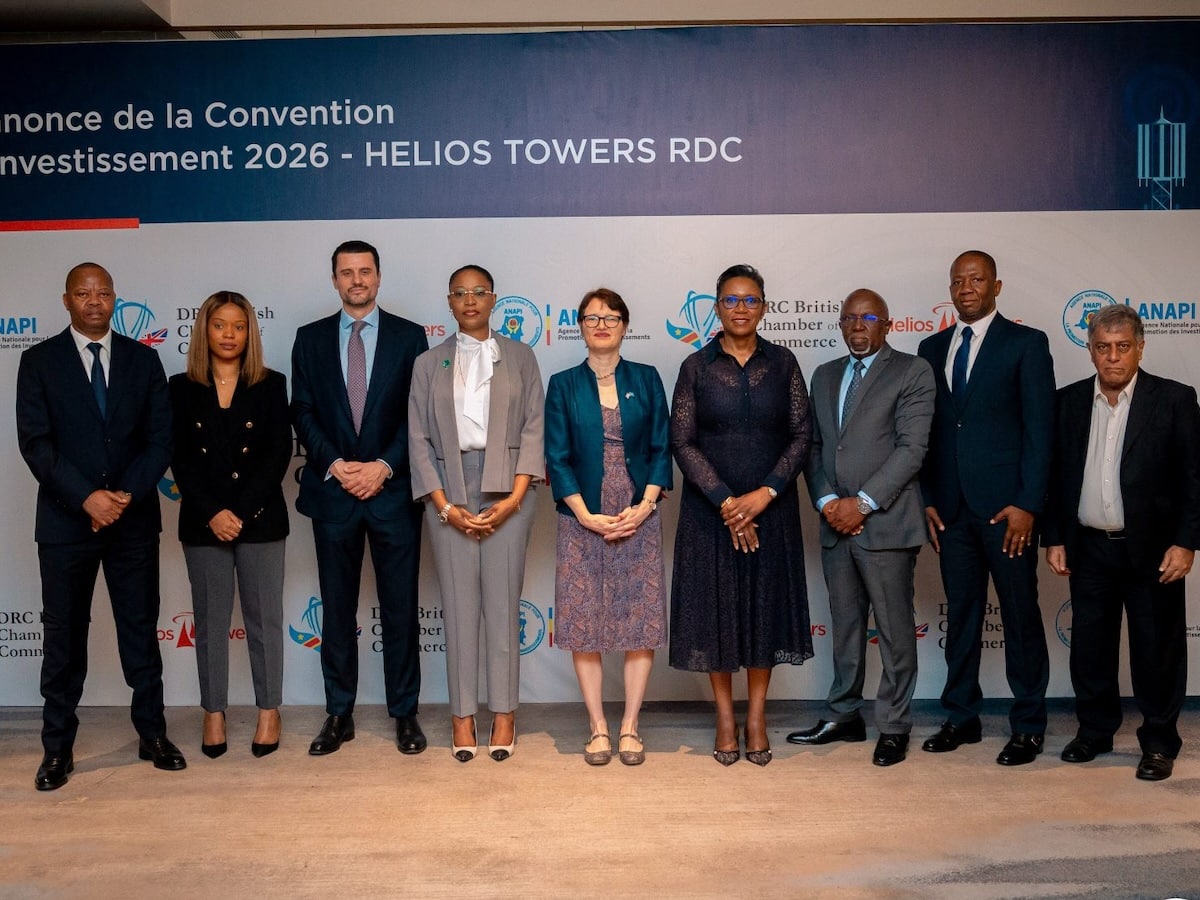
Telecoms infrastructure provider Helios Towers has unveiled a plan to invest US$100 million to expand its telecoms infrastructure in the Democratic Republic of Congo (DRC) with backing from the National Agency for the Promotion of Investments (ANAPI).

Under an agreement between Helios Towers DRC and ANAPI, Helios’ expansion program will cover all 23 provinces including Kinshasa, Upper Katanga, Kongo Central, Maniema, Ituri, Kasai Central, Eastern Kasai, Kwilu, Mai-Ndombe, Mongala, North Kivu, North Ubangi, Sankuru, South Kivu, Lualaba, Tanganyika, Tshopo, Ecuador, Upper Uélé, South Ubangi, Upper Lomami and Kasai.

Helios said it aims to significantly strengthen network coverage throughout the DRC and meet growing demand for connectivity and digital services.

ANAPI said it has been supporting Helios Towers projects in the DRC since 2011, injecting more than US$200 million across several phases of investment.

ANAPI director general Rachel Pungu Luamba said that apart from the telecoms infrastructure gains, the latest expansion project will also create around a hundred direct jobs and thousands of indirect jobs for young Congolese.

« This investment illustrates the renewed confidence of international partners in the economic potential of the DRC, as well as the effectiveness of the reforms undertaken to improve the business climate, » she said at a press event in Kinshasa announcing the investment plan on Tuesday.

She added that the Helios investment also serves the government’s National Digital Plan « Horizon 2025 » and the « DRC Digital Nation 2030 » vision, which aim to make digital tech a pillar of economic and social development.

Loan facility for BDx will support Indonesian data centre growth

BDx Data Centers, an owner and operator of data centres in Asia, has announced the successful close of a US$320 million loan facility, marking what it calls a major milestone in the company’s commitment to building world-class digital infrastructure across Asia.

The transaction is led by Bank Permata, BCA, and KB Bank.

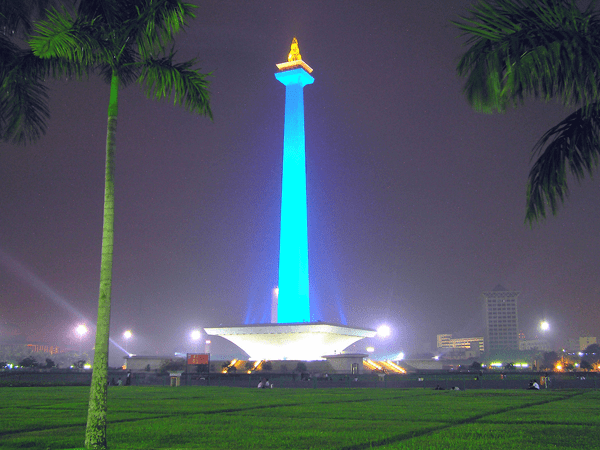
This facility will support several strategic initiatives, including the further development of CGK3, BDx’s AI-focused data centre campus in Jakarta’s emerging central business district, which went live in September 2025.

Purpose-built to meet the rapidly growing demand for high-density compute infrastructure, CGK3 is among the first liquid-cooled campuses in Jakarta, which is designed to support the most advanced and power-intensive AI workloads being adopted by enterprises and hyperscalers.

In addition, the loan proceeds will be used to refinance existing debt on more favourable terms and to fund investments to increase the high-voltage grid capacity at BDx’s Jatiluhur (CGK4) and Suryacipta (CGK5) campuses, also in Indonesia, to 1.2 GVA. BDx says these campuses are being developed to cater to the increasing demand from US and regional hyperscaler and AI customers.

The focus on Indonesia appears to be no coincidence. BDX says Indonesia represents one of Southeast Asia’s most dynamic digital growth markets, and BDx’s investments in energy-efficient facilities designed for long-term resilience and sustainable growth are aligned with the region’s accelerating AI and cloud adoption.

Mayank Srivastava, CEO of BDx Data Centers, adds: “By investing in AI-optimised liquid-cooling infrastructure, high-voltage power platforms, and scalable campuses, we are developing the next generation of infrastructure for ‘AI factories’ with ultra-high-density GPU workloads.”

Airtel and partners pump $1bn into Nxtra data centres

News

The transaction is designed to accelerate Nxtra’s buildout of large-scale and edge facilities to serve enterprises, hyperscalers, and government customers across India.

Bharti Airtel has secured a $1 billion equity infusion for its data centre arm Nxtra Data from a consortium led by Alpha Wave Global, with participation from The Carlyle Group, Anchorage Capital and Airtel itself, the company said.

Under the terms disclosed, Alpha Wave Global will contribute $435 million, Carlyle $240 million, Anchorage Capital $35 million, with Airtel investing the remainder. Final investor stakes will be subject to post-closing adjustments and customary approvals.

According to reporting, the deal will see Nxtra valued at roughly $3.1 billion, with Airtel remaining the controlling shareholder.

The capital will be applied primarily to capacity expansion, with Nxtra planning to grow from about 300 MW today to a targeted 1 GW, aiming t control roughly a quarter of India’s data centre market.

Headquartered in New Delhi, Nxtra already operates 14 major data centres and more than 120 edge facilities across India, with recent openings in Pune and active development of AI-ready campuses in Chennai, Mumbai, and Kolkata.

As always, the deal is subject to typical regulatory approvals.

Keep up to date with all the latest telecoms news with the Total Telecom newsletter

Also in the news
World Communication Award Winners 2025
Ofcom clears the way for satellite-to-smartphone services
LG Uplus’s AI voice call app glitch leaks user data

African ministers commit to continental approach on telecoms infrastructure

African ministers and partners have adopted a declaration agreeing to develop telecoms infrastructure as a strategic pan-African foundation for sovereignty, resilience, inclusion and economic transformation.

The Algiers Declaration on African Telecommunications Sovereignty and Integrated Connectivity (2026–2030) was adopted on Sunday in Algiers at the end of a ministerial summit during the first Global Africa Tech event, which wrapped up on Monday.

The declaration lays out a shared commitment to deliver meaningful and affordable connectivity for all, with priority to rural and underserved communities.

The declaration also calls for building integrated continental infrastructure that links terrestrial, subsea and satellite networks; strengthening local digital infrastructure such as data centres, internet exchange points and trusted cloud capabilities; and protecting critical telecoms infrastructure and enhancing resilience and cybersecurity.

Signatories also pledged to promote trusted, secure, and interoperable digital ecosystems, and invest in human capital and local industry to anchor long-term digital sovereignty.

William Kabogo Gitau, cabinet secretary for Kenya’s Ministry of Information, Communications and the Digital Economy (MICDE), said in a Facebook post on Sunday that the Algiers Declaration recognises that the digital divide is not only a development challenge, but a question of sovereignty and that inclusion and sovereignty must advance together.

“As a continent, we must now focus on implementation, coordination, and measurable progress ensuring that this shared vision translates into tangible outcomes for our citizens,” Gitau said. “Africa is moving with clarity and purpose towards a connected, resilient, and sovereign digital future.”

Five priorities for the work ahead

Selma Malika Haddadi, deputy chairperson of the African Union Commission (AUC), said in a keynote address at Global Africa Tech on Saturday that while various countries across Africa have made individual progress in developing their own digital infrastructure and striking interconnectivity agreements, more needs to be done to unify those efforts for Africa as a whole to reach its full digital potential.

“No matter how interoperable our systems become, no matter how advanced our networks grow, no matter how many platforms, protocols and networks we develop, they will remain incomplete if they are not underpinned by a shared continental and political will,” Haddadi said. “We cannot build systems that connect Africans if we remain disconnected in vision. We cannot build a trusted continental infrastructure without also building trust in one another. We cannot speak of interoperability while tolerating fragmentation of purpose. Pan-Africanism reminds us that Africa rises most strongly when it acts in coherence.”

Haddadi illustrated the scope of the work ahead with statistics from the International Telecommunication Union (ITU) showing that mobile broadband covered 86% of Africa’s population at the end of 2024, yet 14% still had no way of connecting at all, especially in rural areas where that figure rose to 25%.

“Even more telling is the usage gap: millions live within network coverage, yet remain excluded by the cost of devices, the cost of data, limited digital skills, and low trust in digital systems,” she said. “This is not a marginal issue for the Africa we are building.”

Haddadi outlined five priorities that should guide work going forward: a resilient and diversified connectivity architecture across land, sea, and emerging space-based systems, closing the usage gap with affordable services and digital literacy, localisation of compute and data capacity, interoperability and reduction of regulatory fragmentation, and cross-border spectrum and technical coordination.

“The moving pieces are already in place,” she said. “What is now required is disciplined alignment, deliberate investment, and collective resolve.”