

Global smartphone shipments fell 20% year-on-year in the third quarter of 2026 as rising memory chip costs pushed up device prices and weakened consumer demand, according to Counterpoint Research.
The decline marked the weakest third-quarter performance in 14 years, although it was in line with the research firm’s forecast. Average selling prices (ASPs) have risen 20% so far this year as manufacturers pass on increases in DRAM and NAND memory costs to consumers.
Counterpoint Research senior analyst Shilpi Jain said the market was only beginning to feel the full impact of the memory crisis, with the third quarter representing the second consecutive quarter in which manufacturers faced its effects.
Consumers are responding by delaying upgrades and considering refurbished devices, while the premium segment has proved comparatively resilient.
Samsung regained the top position in the market with a 23% share, despite a 3% year-on-year decline in shipments. The South Korean manufacturer focused on premium models, including foldable devices, which saw strong initial demand.
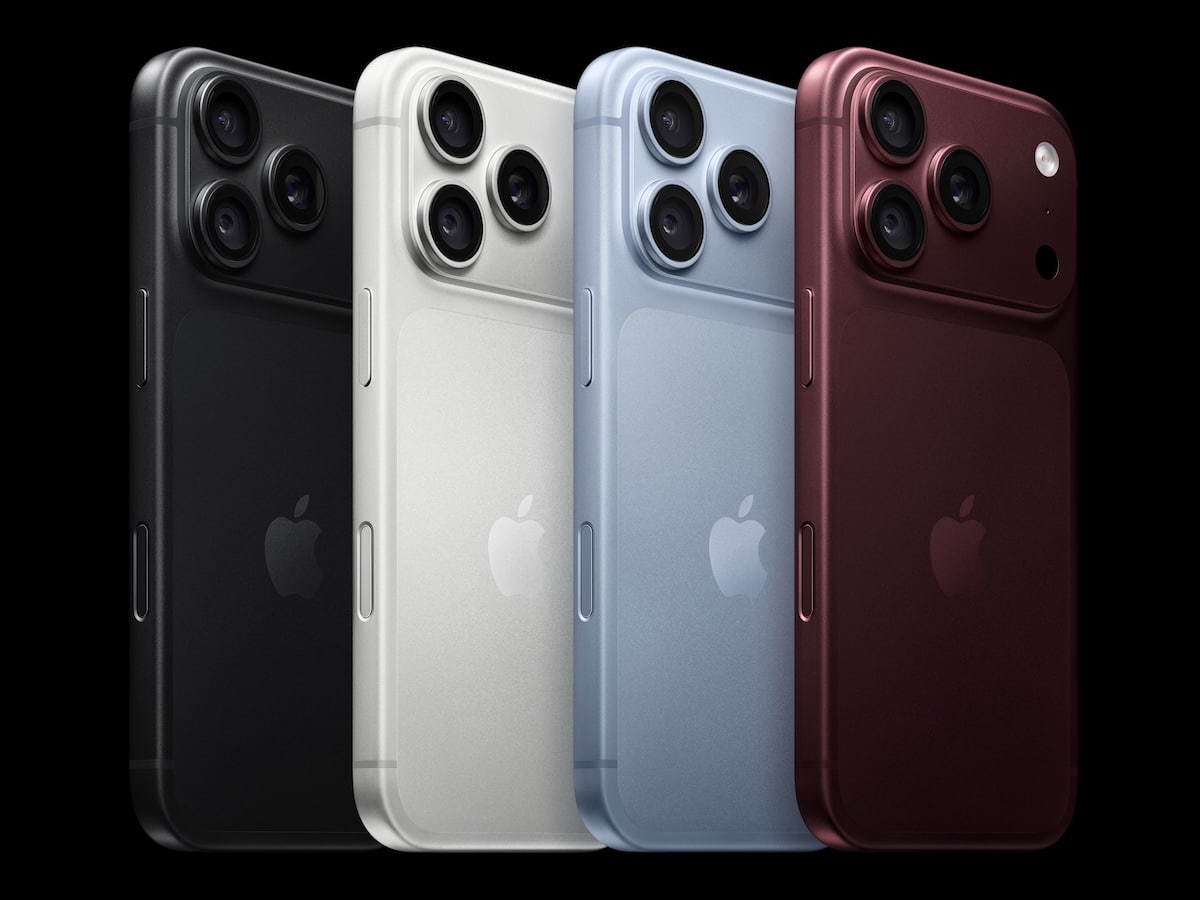
Apple followed with a 22% share, up from 18% a year earlier, despite a decline in shipments. Counterpoint attributed the fall in volumes partly to the absence of a base iPhone 18 variant and rising prices.
Xiaomi suffered the sharpest decline among the leading vendors, with shipments falling 30% year-on-year and its market share dropping from 14% to 10%. The Chinese manufacturer, known for its affordable devices and thin margins, has tightened shipment plans to avoid selling devices at uneconomical margins amid rising component costs.
Oppo and Vivo also recorded shipment declines of more than 20%, with market shares falling to 9% and 8%, respectively.
Counterpoint expects market conditions to remain challenging for the rest of 2026 as manufacturers prioritise profitability over shipment volumes. Rising component costs are putting pressure on both vendors’ margins and consumers’ purchasing power.
Manufacturers are expected to continue cutting production, reducing the size of their product portfolios and placing greater emphasis on premium devices as memory supplies remain constrained.
A recovery in shipment volumes is unlikely until component costs ease. Counterpoint has previously forecast that this improvement may not begin until late 2027.