VMO2 taps Suffolk solar farm for 10 years of clean energy

News

The deal with Egg Power will supply roughly 5% of the company’s energy demands

Today, Virgin Media O2 (VMO2) is expanding its renewable energy usage, signing a new 10-year Power Purchase Agreement (PPA) with solar power provider Egg Power.

The deal will see VMO2 source power from Egg’s new solar farm  70MW solar farm in Suffolk, which is currently under construction and is expected to begin power generation in 2027.

In total, the agreement is expected to cover around 5% of VMO2’s total energy demand.

Egg Power is a natural energy partner for VMO2, with both companies being owned by Liberty Global.

The deal is expected to significantly contribute to VMO2’s Net Zero carbon emissions goals, with the operator currently aiming for neutrality across its entire value chain by 2040.

“This agreement with egg Power is the latest step in Virgin Media O2’s journey to achieve net zero emissions by the end of 2040,” said Mark Hardman, Director, Finance Operations at VMO2. “We’re committed to growing and operating our business in a way that’s good for people and the planet, where we’re cutting carbon, securing renewable energy on a long-term basis, and sourcing renewable energy generation from the UK.”

The deal builds on a similar 10-year agreement for wind power that VMO2 signed with The Renewables Infrastructure Group last year. Combined, the two deals mean around 20% of VMO2’s energy usage will come from renewable PPAs.

Also in the news
Connected Britain Award winners 2025 announced!
Netomnia announces ‘powerful and ambitious’ rebrand ahead of Connected Britain
VodafoneThree drops Samsung, relies on Nokia and Ericsson for £2bn network upgrade

Telkom Indonesia launches agentic AI platform for enterprises

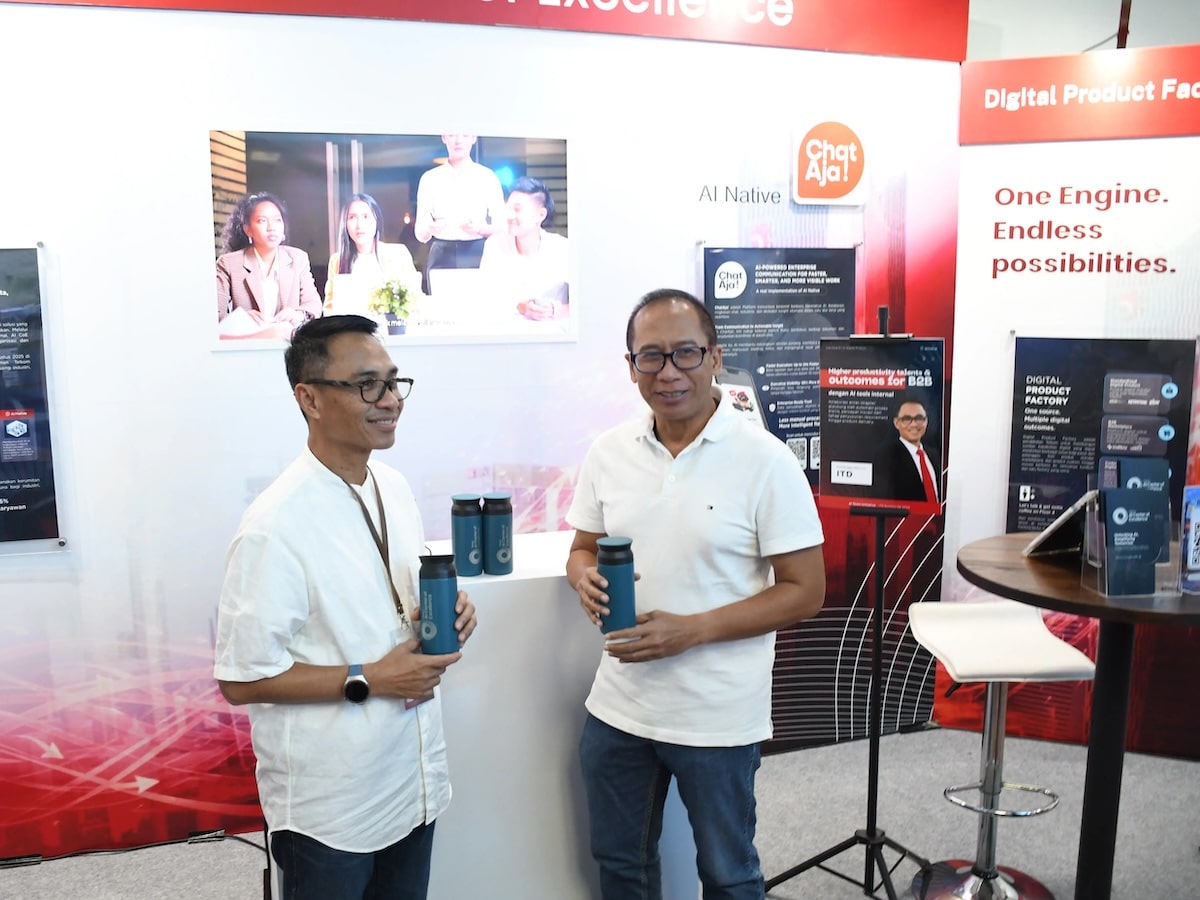
Telkom Indonesia announced on Monday that it has launched a next-gen agentic AI platform that it says will accelerate digital transformation via intelligent automation, business process integration and data-based decision making.

The platform, dubbed Agentic AI by BigBox, differs from reactive, conversation-based AI in that it can execute semi-automatic and automatic actions according to the needs of the organization.

Telkom said agentic AI is designed to break down large work into more structured stages, manage execution through specialist agents, conduct self-evaluations, and connect with various external systems.

Agentic AI by BigBox supports cross-system workflow orchestration, data integration and end-to-end AI capabilities, as well as improved operational efficiency on an enterprise scale.

Telkom said it’s using agentic AI internally to consolidate and integrate IT systems across its various entities, optimise operational costs and investment, accelerate data-based decision making, and automate strategic business processes.

Its enterprise and B2B customers can use Agentic AI by BigBox to improve customer experience, automate services and operations, present advanced analytics, predictive decisions, and cross-platform integration, said Telkom’s digital IT director Faizal Rochmad Djoemadi.

“We designed Telkom Agentic AI not only as an AI tool, but as a digital platform that is able to work and execute,” Faizal said. “This is our step to encourage organizations to be faster, more integrated, and more adaptive in facing digital business dynamics.”

Telkom is also touting Agentic AI by BigBox as a flagship solution from its AI Center of Excellence (AI CoE) initiative, which was launched in September last year as a “national AI ecosystem enabler.”

Telkom first unveiled Agentic AI by BigBox at last week’s ITD Summit in Bandung.

Port of Tyne competes autonomous container transport trial

News

The project saw a self-driving vehicle successfully operate in a live commercial setting

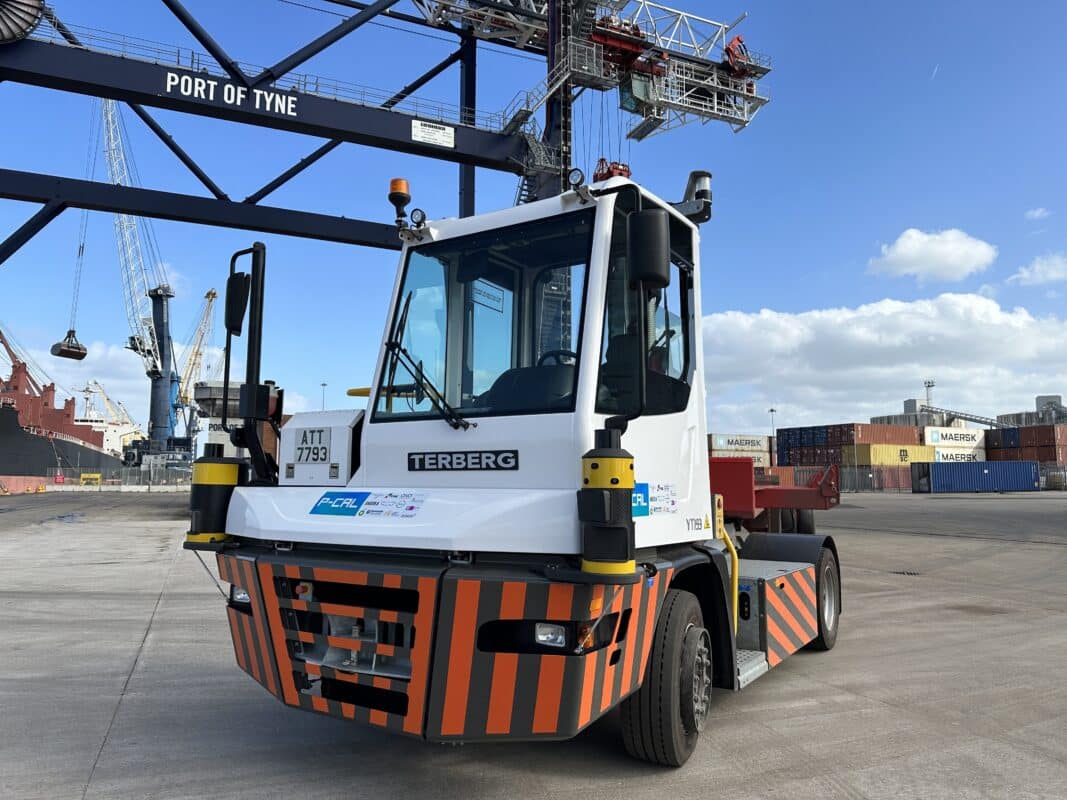
The P-CAL (Port-Connected and Automated Logistics) project has been completed at the Port of Tyne, bringing a major UK deep-sea port one step closer to autonomous operations.

The project saw a fully autonomous terminal tractor deployed on a working quayside for the first time, as well as the handling of commercial containers.

The project was carried out by a consortium including the North East Automotive Alliance (NEAA), autonomous vehicle specialist Oxa, and various industry and academic partners, alongside the Port of Tyne itself.

The pilot builds upon the consortium’s previous connected and automated mobility (CAM) projects, as part of the UK government’s £150 million CAM Pathfinder programme. These projects include 5G CAL, which showed that a 5G network could be used to support autonomous driving and teleoperation of a heavy goods vehicle (HGV), and the V-CAL project, which saw four autonomous HGVs operating in real-word scenarios.

The completed P-CAL project represents the next logical step towards commercial operations by integrating the autonomous HGVs with existing terminal systems, real-time coordinating with live cranes, deploying a mesh communication network, and implementing security protocols to enable secure remote and autonomous operations.

“Delivering autonomous logistics in a live port environment has been a major step forward for the sector,” said Graeme Hardie, operations director at the Port of Tyne. “P-CAL has shown what’s possible when innovation is applied to real operational challenges, improving safety, efficiency and sustainability.”

“Through the project, we’ve demonstrated that existing work vehicles can be turned into a digital workforce – successfully completing autonomous container movements in a dynamic quayside environment, while providing worksite intelligence necessary for real-time industrial optimisation,” added Oxa founder and CEO Paul Newman. “P-CAL provides a blueprint for how ports and industrial hubs worldwide can deploy autonomous technology to drive productivity, efficiency and safety.”

The next phase of the project will involve multiple vehicles working simultaneously in a live environment.

Autonomous vehicle operations have long been a goal for ports and other large scale industrial operations, potentially providing improved operational efficiency and reducing staff exposure to dangerous working conditions.

In the most advanced markets, these projects are already being launched commercially. In China, for example, the world’s largest autonomous mining fleet has been operational for almost a year.

Also in the news
Connected Britain Award winners 2025 announced!
Netomnia announces ‘powerful and ambitious’ rebrand ahead of Connected Britain
VodafoneThree drops Samsung, relies on Nokia and Ericsson for £2bn network upgrade

Sustainable by design: The importance of building things to last


Contributed Article

By Martha Galley, Chief Sustainability Officer, Calix 

In the race to show sustainability progress, companies often spotlight renewable energy, carbon offsets, or high-profile product launches. These are important, but one of the most effective and measurable ways to deliver both financial and environmental results often goes unnoticed: durability. 

Durability happens when sustainability is built into the design itself. It changes how a business operates, influencing materials, maintenance, and customer trust. When products and systems are built to last, they cut waste, reduce operating costs, and show that a company is thinking for the long term. 

In broadband, this principle has transformed how networks are built and maintained. For years, competition focused on speed, reliability, and upfront cost. Hardware was replaced frequently, and short product cycles were considered standard. But as broadband became essential for education, healthcare, remote work, and community connection, this short-term model began to show its limits. 

Every replacement cycle adds expense to equipment, labor, and training while creating more electronic waste. Providers have begun to realize that acquisition cost, or what you pay on day one, tells only part of the story. The real measure is the total cost of ownership and what it takes to run, maintain, and replace a system over its lifetime. 

Durability looks different across the broadband ecosystem. In the core and access network, systems are designed to operate for decades, but upgrades can require large infrastructure investments. At the premises level, the gateways, routers, and Wi-Fi systems inside homes and businesses turn over much faster, creating a greater environmental impact. That is where design innovation matters most. Software-enabled platforms extend product life and functionality through continuous updates instead of full hardware replacement. This is an evergreen innovation approach that keeps systems capable and efficient while reducing energy use and electronic waste. 

Research supports the importance of designing for longevity. The U.S. National Institute of Standards and Technology (NIST) found that increasing a product’s lifespan by 50 percent can reduce replacement needs and environmental impact by about one third. The Fiber Broadband Association reports that retiring copper networks in favor of fiber reduces both costs and emissions because copper requires far more energy to operate and maintain. 

The total cost of ownership perspective makes the value clear. When businesses account for energy use, maintenance, and replacement, durable systems often prove to be the smarter financial choice. Broadband providers discovered this when comparing copper and fiber, and the same holds true across industries, from automotive to consumer electronics. 

Durability may not grab headlines, but it makes sustainability real. It connects environmental responsibility with financial performance and builds long-term confidence among customers, communities, and investors. As more industries adopt sustainable design principles, durability will remain one of the strongest measures of both performance and resilience.

The Terabit Leap: Charting the path from 800G to 1600G ZR+

The Terabit Leap: Charting the path from 800G to 1600G ZR+

This Industry Viewpoint was authored by Fady Masoud, Senior Director, Solutions Marketing at Nokia

The explosive growth of AI model training, inference and data movement across distributed, geographically distributed compute clusters is driving a sharp increase in east-west and data center interconnect traffic. Combined with increasing traffic from telecommunications providers expanding capacity in metro and … [visit site to read more]

Edotco’s Vista Bumiria to lead tower deployments in Terengganu

Edotco Malaysia announced on Friday that its subsidiary Vista Bumiria has been appointed by the provincial government of Terengganu as a state-backed company (SBC) to develop telecoms infrastructure.

The appointment is part of a mandate by Terengganu to accelerate rollout of high-quality, future-ready digital infrastructure in the state in a coordinated, efficient and sustainable manner.

Under that mandate, Vista Bumiria will lead development of telecoms infrastructure in Terengganu, including tower and fibre deployment, serving as a central platform to support mobile network operators (MNOs) and expand coverage across both urban and rural communities.

Edotco said that as part of the deal, Sultan Mizan Zainal Abidin of Terengganu has been appointed as chairman of Vista Bumiria.

As part of the project, the Terengganu government also appointed Alam Mindscape Mobile as a “One Stop Agency” (OSA) to streamline management, approvals, and coordination of telecoms structures, which Edotco said will reduce deployment bottlenecks and enhance execution efficiency across the ecosystem.

Edotco group CEO Adlan Tajudin added that the model “positions Terengganu to become a leading example of state-driven digital infrastructure development in Malaysia, enabling a more coordinated and efficient approach to connectivity rollout.”

Edotco added that it will work closely with its MNO partners in Malaysia to accelerate deployment across the state.

Deutsche Telekom considers merging with T-Mobile

News

The move would create a combined entity valued at around $267 billion

Deutsche Telekom is considering merging with its US unit, T-Mobile, according to a report from Bloomberg citing people familiar with the matter.

Deutsche Telekom already owns a 53% stake in the US company but is now reportedly considering forming a holding company to combine the two businesses.

If such a deal were to be struck, this new company would be jointly owned by both companies’ existing shareholders and would potentially seek a listing in both the US and Europe, the sources said. Reporting from the Financial Times suggests the latter would likely take place in Luxembourg, Amsterdam, or Dublin, rather than Germany, for take advantage of lower tax.

The same sources emphasise that discussions are at an early stage and no formal decisions have been made.

Neither Deutsche Telekom nor T-Mobile have commented on the media report.

Deutsche Telekom has gradually increased its stake in T-Mobile over the past five years, growing from roughly 43% in 2021, following the T-Mobile–Sprint merger, to today’s 53%.

The US unit is by far Deutsche Telekom’s most valuable business, comprising around 72% of the operator group’s total value.

A merger of this scale would trigger intense scrutiny from both American and European regulators, with impact on competition, foreign ownership of critical infrastructure, and aligning cross-border regulations all key issues.

“We don’t see competition, security, or regulatory issues leading the [US] government to block the deal, but there are significant political issues that might have to be addressed in the deal ​review,” analysts at New Street Research told Reuters.

Approval from the German government would also be required, with the government currently owning a 14% stake in Deutsche Telekom and state-owned lender KfW also owning 14%. These stakes combined makes the German state Deutsche Telekom’ largest stakeholder.

Also in the news

Connected Britain Award winners 2025 announced!
Netomnia announces ‘powerful and ambitious’ rebrand ahead of Connected Britain
VodafoneThree drops Samsung, relies on Nokia and Ericsson for £2bn network upgrade

Security by design – Cornerstones of security and compliance in an AI-driven BSS

Advances in technologies such as cloud and artificial intelligence present telecom operators with a wealth of opportunities – but they also create new challenges which must be navigated carefully, particularly in terms of security and compliance.

As service providers accelerate their shift to SaaS-based Business Support Systems (BSS), they cannot afford to focus purely on agility and cost efficiency – they must also cement trust with strong security. Telcos operate in a trust economy; their critical operations determine service reliability and business integrity, and they are required to handle sensitive information such as customer data. To achieve this while upholding the trust expected of them, service providers must implement business support systems that feature safety measures and guardrails to protect sensitive data and reduce regulatory exposure.

In today’s hyperconnected world, customer data flows across clouds, partners, and applications – and new security risks arise constantly, so transparency and security grow ever more important. SaaS business models, multi-tenancy, API integrations, ecosystems, and AI capabilities all require a shift in how risks are handled in a telco environment – therefore, a modern BSS must be secure by design.

How can this be achieved? Firstly, BSS systems must focus on three key areas regarding security and compliance – architecture, AI governance & guardrails, and data protection & privacy – and secondly, the definition of what constitutes ‘security’ across each of these domains must be clearly defined.

Resilient architecture for a secure BSS

There are many factors that must be considered when defining secure architecture for modern BSS platforms, and adherence to recognised industry standards is a critical starting point. Components should meet carrier-grade security and compliance standards, operate with certified cloud infrastructure such as AWS or Microsoft Azure, and adhere to leading global standards and frameworks such as ISO27001, and TM Forum’s Information Framework (SID).

Another aspect of secure architecture is APIs and integration protocols, particularly as these must interface with third parties or ecosystem partners. APIs power the digital partnerships and customer journeys that define modern telecom ecosystems, and modern BSS platforms must ensure they are secure. This can be achieved through strong authentication, encryption, input validation, and rate limiting to prevent unauthorized access and data leaks.

Etiya’s Agentic BSS platform uses Open API standards, including TM Forum Open APIs, to ensure seamless interoperability across the OSS, network, and external IT systems. By using multi-tenant SaaS architecture, the platform can cost-effectively manage multiple brands, geographies or business units in isolation. While sharing common infrastructure, it allows each tenant to have dedicated authentication, product catalogues, and billing systems as required. In this way, it enhances security and regulatory compliance while dramatically reducing operational complexity and costs.

As BSS platforms expand across multiple clouds, visibility becomes a challenge. A unified view of the entire cloud environment enables providers to spot misconfigurations, vulnerabilities, or compliance errors before they can cause harm, using tools such as Wiz Cloud Security Posture Management (CSPM). This proactive approach turns security into a continuous, data-driven process.

Security must keep up with software evolution. Etiya’s Agentic BSS achieves this by integrating vulnerability scanning into its CI/CD pipeline to ensure that every new release is tested for potential weaknesses. By embedding security into the development lifecycle, organizations can innovate at speed without compromising safety. In a data-driven ecosystem, resilience is as important as protection. Automated backups with Amazon RDS ensure that information can be quickly recovered in case of disruption, maintaining business continuity and customer confidence.

With identity and access management of critical importance in SaaS, Etiya’s BSS adds a critical layer of protection with two-factor authentication and centralized access control. Combined with comprehensive logging and auditing, it ensures transparency and accountability across the system.

Privileged access management solutions control access to critical systems, and make sure that credentials are tightly controlled, encrypted, and monitored. By applying the “least privilege” principle and automating access control, organizations can prevent misuse, reduce insider risk, and ensure compliance without slowing down operations.

Governance and guardrails for AI transparency and safety

AI-driven intelligence transforms compliance from a reactive obligation into a proactive capability, while simultaneously delivering tangible business value – but secure BSS platforms must ensure that guardrails are in place for AI-driven processes so that operators retain full control. Secure AI governance enables innovation, allowing organizations to experiment with advanced features and safely integrate AI across partner processes and third-party ecosystems, unlocking new opportunities for collaboration, service expansion, and growth.

Transparent and explainable AI strengthens trust with customers, regulators, and partners, enhancing business credibility and reinforcing confidence in digital operations. The security of customer data must be treated as paramount in autonomous processes, and human-in-the-loop safeguards must be used to monitor AI decisions and avoid misuse. Continuous monitoring, bias detection, and predictive analytics mitigate risk by anticipating potential compliance gaps, preventing costly errors, reputational damage, or regulatory fines.

To ensure compliance, Etiya’s Agentic BSS platform uses embedded AI and machine learning (ML) mechanisms to continuously monitor operational data, detect anomalies, and flag potential risks in real time, supporting automated policy enforcement, consent management, and intelligent audit trails that ensure transparency and traceability. Beyond compliance, these capabilities drive operational efficiency by automating revenue assurance, fraud detection, and customer support, reducing costs and minimizing human error.

Embedding privacy in every process

To ensure compliance and maximise customer trust, BSS platforms must strive for privacy-by-design – all subscriber and partner data must be handled securely, with encryption, anonymization, and consent management protocols all in place. Additionally, telecom regulations differ across markets and are constantly evolving – telcos can maintain operational agility with flexible policy management and built-in compliance templates that adapt as regulations change.

The Etiya BSS Data Privacy Management module is aligned with the SID model and GDPR, offering robust Privacy and Consent Management capabilities. This includes support for customer opt-in or opt-out preferences—for example, for marketing communications or use of specific channels—and accommodates updates resulting from changes in privacy policies. The module can generate a detailed customer privacy report, outlining the nature of stored information and the purpose for its retention. Customers also have the right to request correction or deletion of personal data that is not essential to the delivery of their subscribed services. Additionally, the platform’s configurable compliance frameworks enable operators to respond quickly to new requirements, reducing the need for costly customizations.

Demonstrating robust security and data protection means that trust becomes a differentiating factor – an attractive prospect for enterprise customers and partners for whom compliance is a priority. At the same time, end-to-end security and data privacy provide additional reassurance that can strengthen customer loyalty, and thereby lifetime value. Proactively securing the system reduces operational risk as well as minimising exposure to fraud, while pre-vetted security controls and APIs make it easier to integrate with new ecosystem partners, accelerating revenue growth.

Trust defining loyalty and sustainable growth

By implementing Etiya’s Agentic BSS to achieve these benefits, telcos can be boldly innovative without compromising on safety. Compliance and security become a strategic advantage, cementing trust with clients and partners that will improve retention, as well as reducing operational risk. By building on this foundation, operators will be able to integrate with partners more effectively, allowing them to expand into new markets and achieve greater business growth.


Eutelsat signs multi-year KONNECT deal with MTN Côte d’Ivoire

Eutelsat announced on Thursday it has signed a new multi-year agreement with MTN Côte d’Ivoire to provide satellite broadband services across the country using Eutelsat’s KONNECT high-throughput satellite.

Eutelsat and MTN said the agreement will expand reliable broadband access across Côte d’Ivoire for consumers and enterprises, while supporting digital inclusion by enabling community Wi-Fi hotspots in underserved areas.

“Across Africa, satellite connectivity is a powerful complement to terrestrial networks, helping operators accelerate coverage expansion and support digital inclusion,” said Honoré Kouame, GM for MTN Business Côte d’Ivoire, in a statement. “This partnership with Eutelsat enables us to reach more customers, connect underserved communities and continue to support the country’s ongoing digital transformation.”

“Our platform is helping connect underserved and hard-to-reach areas and partnering with a leading operator like MTN Côte d’Ivoire shows how satellite and terrestrial networks work together to scale deliver connectivity at scale,” added Philippe Baudrier, VP for Africa at Eutelsat. “Together, we are bringing reliable broadband to more communities across the continent, and we are proud to further strengthen our collaboration with the MTN Group.”

MTN’s digital and infrastructure service provider Bayobab signed a deal with Eutelsat in August 2024 to lease capacity on the Eutelsat OneWeb LEO satellite constellation.

As it happens, MTN Côte d’Ivoire’s rival telco Orange Côte d’Ivoire is also using the Eutelsat KONNECT satellite for its Orange Sat satellite broadband internet service, which went live in January. That launch was the product of a partnership deal signed by Eutelsat and Orange Africa and Middle East in March 2025.