

One partnership down under, two interesting deals from wholesale voice, and an interesting bit of M&A: … [visit site to read more]

One partnership down under, two interesting deals from wholesale voice, and an interesting bit of M&A: … [visit site to read more]

Kazakhstan’s geography has always shaped its economics. It is the ninth-largest country in the world, with communities spread across vast steppe, desert and mountain terrain. For generations, distance has influenced the cost of connecting a clinic, a school, a farmer or a small business to markets and essential services.
Digital infrastructure is beginning to change the economics of that distance. But a signal bar alone is not digital inclusion. Connectivity creates lasting value only when three conditions come together: people can reach it, the technology can understand them, and the services available through it allow them to do something meaningful.
I lead Beeline Kazakhstan, and across my career with digital operators in Central Asia, South Asia and the Caribbean, I have seen very different markets confront the same challenge. Demand for digital participation almost always arrives before the infrastructure that enables it. A rural clinic, a family farm or a first-time online seller does not need to be persuaded that connectivity matters. They need access that is reliable, affordable and relevant to their lives.
Terrestrial mobile networks will remain the backbone of connectivity. In Kazakhstan, Beeline has extended its network to villages with populations of around 100 people and has used solar power for base stations beyond the electricity grid. Yet in a country of this scale, the economics of a conventional tower will not close every remaining coverage gap.
That is why we are working with Starlink Direct to Cell to introduce satellite-to-phone connectivity in areas beyond the reach of terrestrial networks, beginning with messaging and expanding to data in a later phase, subject to the required approvals. The technology is designed to connect ordinary compatible mobile phones without a separate satellite terminal. It is not a replacement for terrestrial infrastructure. It is an extension of it, particularly where distance makes traditional deployment slow or uneconomic.
The real breakthrough will not be a successful demonstration. It will be a service that works reliably and can be sustained at scale. Technology must change not only the map of coverage, but also the economics of providing it.
Even universal coverage would be incomplete if the digital tools available through it could not properly understand the user’s language and context. Many of today’s leading AI systems perform best in languages with the largest digital footprints. Kazakh, like many national languages, remains underrepresented in the data on which global models are trained.
KazLLM is therefore more than a technical milestone. Developed through a national collaboration coordinated by the government and led by the Institute of Smart Systems and Artificial Intelligence at Nazarbayev University, with contributions from QazCode, Beeline Kazakhstan and Astana Hub, it gives developers an open-source foundation on which to build services in Kazakh. The larger point is simple: people should not have to leave their language behind to participate fully in the AI economy.
Compute capacity matters as well. Beeline Kazakhstan is building Hyper Cloud, a Tier III data center in Almaty targeted to come online by the end of 2026. It will provide domestic capacity for enterprise, cloud and AI workloads and help organizations keep sensitive data within Kazakhstan. The purpose of sovereign infrastructure is not isolation. It is the ability to participate in global technology with greater resilience, capability and agency.
A connected person is not necessarily an included person. A signal reaching a remote community has limited impact if the person receiving it cannot open an account, receive a payment, access a public service, learn a new skill or sell a product beyond the local market. For a farmer, the value of connectivity may be payment for a harvest. For a small retailer, it may be accepting a digital payment without investing in expensive equipment. For a student, it may be accessing a course or paying a fee without traveling to a branch.
This is why connectivity, trusted digital identity, payment infrastructure and locally relevant services should not be planned as separate agendas. Each increases the value of the others. Kazakhstan’s work on the digital tenge is one example of financial infrastructure evolving alongside communications networks. The opportunity is to connect these layers so that access can translate into participation in the economy.
That also changes how we should think about investment. VEON has announced its intention to invest an additional $1 billion in Kazakhstan over the next three years. Capital on that scale must do more than add equipment. It should expand the number of people and businesses able to participate in the digital economy, strengthen domestic technological capability and create services that customers choose to use every day.
For that model to endure, inclusion must also be commercially sustainable. Remote communities cannot depend indefinitely on pilots or one-off interventions. Satellite connectivity can improve the economics of reach. Local-language AI can make technology useful to a wider population. Digital financial services can turn access into everyday economic activity. Built together, these capabilities reinforce one another.
Kazakhstan’s experience points to a broader lesson for other large and sparsely populated markets: digital inclusion must be built as a complete system. Reach without relevance leaves people behind. Relevance without useful services produces novelty rather than impact. And services without resilient infrastructure cannot scale.
Distance will remain a fact of Kazakhstan’s geography. It does not have to remain a limit on opportunity. If we build reach, relevance and utility together, a customer in a remote community is no longer at the edge of the digital economy, but fully part of it. That is the future we intend to help build.
Jabbor Kayumov was appointed Chief Executive Officer of Beeline Kazakhstan in April 2026.
Before his appointment, he served as Chief Executive Officer for the Telco Business at Beeline Kazakhstan. Prior to that, he held leadership roles across multiple international companies, including serving as CEO of Ncell in Nepal and leading Digicel’s operations in Jamaica and Trinidad & Tobago, where he oversaw their transformation into digital operators. He also served as CEO of Beeline Tajikistan. His leadership experience spans strategic transformation, commercial growth, organizational development, and digital innovation.
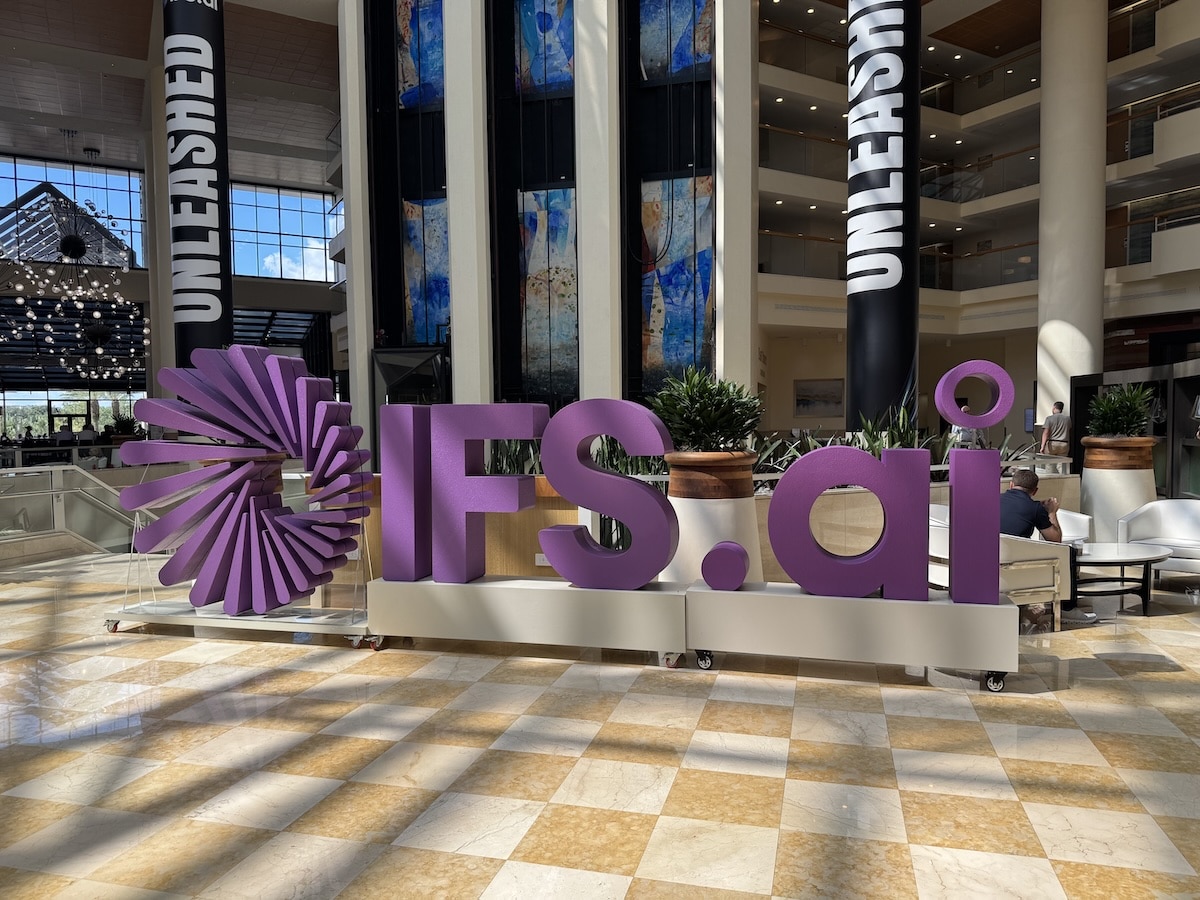
IFS has launched IFS Intelligence, an AI product that lets industrial businesses query operational data, investigate issues and prepare actions through a conversational interface.
The product draws on live data from IFS and connected third-party systems, including information on assets, work orders, schedules and operational history. It can recommend actions and prepare them for approval, with controls based on each business’s rules and permissions.
IFS Intelligence includes three components: Cowork, for querying data and preparing actions; Loops, which runs defined workflows in the background and escalates tasks when human judgement or approval is needed; and Runway, which uses plain-language requirements to support IFS software migration, configuration and extension.
Customers can also save successful queries as reusable Skills or create Lenses, which provide live views of operational data. Cowork can connect to systems such as Microsoft 365 through the Model Context Protocol.
IFS cited crane rental and heavy lifting company Sims Crane & Equipment as an early user. The company said staff can query fleet data to identify suitable cranes for customer requirements and improve fleet utilisation.

Space Norway has announced a new deal with Ciena to modernise the Svalbard Undersea Cable System and its upcoming Arctic Way cable system with the latest optical technolgy.
The deal will see Space Norway’s existing infrastructure upgraded with Ciena’s latest optical technology, including the Ciena 6500 Optical Platform, WaveLogic 6 Extreme, Spectrum Sharing, and the Navigator Network Control Suite.
The same technology will also be used in the upcoming Arctic Way Cable System.
This, the company said, will ‘expand the operational lifespan’ of the Svalbard Undersea Cable System and expanding secure, high-resilience connectivity across the Acrtic region.
“Reliable connectivity is essential in the Arctic, where our infrastructure supports critical activities and demanding operational requirements,” said Pia Birgitte Bruhn, acting Vice President of Cable Systems at Space Norway. “By working with Ciena, we are extending the operational life of our existing Svalbard cable systems while preparing Arctic Way for service. This investment will strengthen the resilience and capacity of our subsea network and support the region’s long-term connectivity needs.”
Space Norway is a satellite company owned by the Norwegian state that operates hybrid infrastructure, comprising satellites, teleports, fibre networks, and subsea cables. The company provides mission-critical communications relied upon by research, scientific, and national security organisations.
The company operates the Svalbard Undersea Cable System, which began service in 2004 and spans roughly 2,714 km from Breivika in northern Norway to Longyearbyen, Svalbard’s largest town.
Currently, Svalbard only has one other submarine cable: the Longyearbyen–Ny-Ålesund route on the west of the archipelago operated by Sikt, the Norwegian Agency for Shared Services in Education and Research.
However, this will change in the coming years through the deployment of Space Norway’s upcoming Arctic Way system. Announced in 2025, will connect Bodø, Norway, to Longyearbyen, with separate branch to the remote island of Jan Mayen, home to Beerenberg, the most northern active volcano in the world.
While Svalbard and Jan Mayen have few or no permanent residents, they remain of high strategic importance for Norway. Svalbard, for example, notably hosts SvalSat, a crucial satellite ground station that monitors the Arctic region for which reliable backhaul is crucial.
Keep up to date with all the latest telecoms news from around the world with the Total Telecom newsletter
Also in the news
Shared Rural Network rollout extends to UK national parks with over 150 4G masts live
Vodafone touts latest attempt to bridge the UK’s digital divide
Virgin Media O2 cuts 5,200 tonnes of carbon dioxide emissions

Four interesting items from EMEA to catch up with: … [visit site to read more]

Global smartphone shipments fell 20% year-on-year in the third quarter of 2026 as rising memory chip costs pushed up device prices and weakened consumer demand, according to Counterpoint Research.
The decline marked the weakest third-quarter performance in 14 years, although it was in line with the research firm’s forecast. Average selling prices (ASPs) have risen 20% so far this year as manufacturers pass on increases in DRAM and NAND memory costs to consumers.
Counterpoint Research senior analyst Shilpi Jain said the market was only beginning to feel the full impact of the memory crisis, with the third quarter representing the second consecutive quarter in which manufacturers faced its effects.
Consumers are responding by delaying upgrades and considering refurbished devices, while the premium segment has proved comparatively resilient.
Samsung regained the top position in the market with a 23% share, despite a 3% year-on-year decline in shipments. The South Korean manufacturer focused on premium models, including foldable devices, which saw strong initial demand.
Apple followed with a 22% share, up from 18% a year earlier, despite a decline in shipments. Counterpoint attributed the fall in volumes partly to the absence of a base iPhone 18 variant and rising prices.
Xiaomi suffered the sharpest decline among the leading vendors, with shipments falling 30% year-on-year and its market share dropping from 14% to 10%. The Chinese manufacturer, known for its affordable devices and thin margins, has tightened shipment plans to avoid selling devices at uneconomical margins amid rising component costs.
Oppo and Vivo also recorded shipment declines of more than 20%, with market shares falling to 9% and 8%, respectively.
Counterpoint expects market conditions to remain challenging for the rest of 2026 as manufacturers prioritise profitability over shipment volumes. Rising component costs are putting pressure on both vendors’ margins and consumers’ purchasing power.
Manufacturers are expected to continue cutting production, reducing the size of their product portfolios and placing greater emphasis on premium devices as memory supplies remain constrained.
A recovery in shipment volumes is unlikely until component costs ease. Counterpoint has previously forecast that this improvement may not begin until late 2027.

SpaceX CEO Elon Musk has questioned the influence of Reliance Industries chairman Mukesh Ambani as Starlink continues to await approval to launch its satellite internet service in India.
Musk said on social media that Starlink had spent five years complying with Indian government requirements but was still unable to begin operations. He questioned whether Ambani was the country’s “real boss”, a day after accusing unnamed oligarchs of maintaining a monopolistic grip on the Indian market.
Reliance Jio, controlled by Ambani, is India’s largest telecoms operator. Together with rival Bharti Airtel, it accounts for around 80% of the country’s telecoms market.
Musk’s comments drew a response from Rahul Gandhi, leader of India’s opposition Congress party, who suggested he would encounter another powerful businessman, Gautam Adani. Musk responded that the situation was troubling.
Starlink’s entry into India has faced delays despite agreements signed with Jio and Airtel in March 2025 to explore opportunities to distribute its satellite internet services.
Starlink received an operating licence in July 2025 but has yet to launch commercially.
Bloomberg reported in June 2026 that the Indian government had frozen approvals amid security concerns over the use of Starlink terminals before the service was authorised to operate.
Meanwhile, Jio is developing its own low Earth orbit (LEO) satellite communications plans. Local media reports say the company has proposed a network of around 1,600 satellites and 23 ground stations to expand connectivity across India.
Jio Platforms managing director Akash Ambani said this week that India needs its own indigenous technology stack, according to local media. The company’s satellite plans could place it in competition with Starlink, which operates a constellation of thousands of satellites and provides services in more than 170 countries and territories.
The dispute comes as Musk’s other major business, Tesla, also struggles to gain traction in India. Reports indicate that the electric vehicle maker has sold just over 1,000 cars in the country since launching there in 2025.
Indian Prime Minister Narendra Modi has urged mobile industry leaders to make digital services more affordable and accessible, while calling for technology-driven measures to tackle cyber fraud and identify AI-generated content.
Modi made the remarks during a meeting with members of the GSMA Board in New Delhi on October 7, ahead of the India Mobile Congress 2026. The meeting was attended by Communications Minister Jyotiraditya Scindia and Minister of State for Communications Chandra Sekhar Pemmasani.
Modi said technology should support inclusive and sustainable development, with particular attention to affordability and access in developing countries. He also highlighted the role of digital public infrastructure (DPI) in helping countries across the Global South expand access to digital services.
On cyber fraud, Modi called for technology-based solutions and sustained public awareness campaigns to warn users about fraudulent calls.
He also highlighted the risks posed by deepfakes and AI-generated content, suggesting that mechanisms be explored to help users identify the origin of digital material. He called for common global standards and rules for emerging technologies.
GSMA Board members welcomed India’s expansion of 4G and 5G connectivity, digital public infrastructure and telecoms manufacturing. They also highlighted opportunities for international cooperation in 5G, 6G, artificial intelligence, cybersecurity, digital inclusion and satellite connectivity.
The meeting comes ahead of the 10th India Mobile Congress, which brings together telecoms operators, technology companies and policymakers. India has increasingly sought to position itself as a contributor to international discussions on next-generation connectivity, digital infrastructure and technology standards.

This Industry Viewpoint was authored by Daria Batrakova, Director, Telecom Solutions, FNT Software and Mark Gibson, Head of Product, Inmanta
Private 5G networks are moving from individual deployments toward a broader opportunity for communications service providers (CSPs). Enterprises across industries are looking for connectivity that can meet demanding requirements around latency, security, availability, and compliance. For CSPs, however, scaling these deployments … [visit site to read more]

Vodacom South Africa and SmartOps Fleet say they have assembled an ecosystem of partners from the technology, financial services, automotive and e-hailing sectors in a bid to broaden South Africa’s growing e-hailing economy.
Under the programme – unveiled on Wednesday – Vodacom will serve as its enabling technology and connectivity partner, provides the connectivity and fintech capabilities that support the ecosystem, while SmartOps will provide fleet management vehicles, drivers, maintenance, insurance, tracking and day-to-day e-hailing operations.
Fidelity Services Group will provide vehicle tracking and dashcam solutions, while the Thiba Ingozi safety app will promote safer, more secure and connected operations.
The wider ecosystem includes Nedbank MFC, Motus, Tiger Wheel & Tyre, Tyres & More, vehicle manufacturers Renault and Dongfeng, which together will create a support network that enables programme-supported vehicles to operate on e-hailing platforms such as Uber and Bolt.
Vodacom said the programme aims to create a pathway for qualifying individuals to participate in the e-hailing economy through vehicle ownership, which presents numerous operational challenges, from from sourcing and managing drivers to maintaining vehicles, arranging insurance, and overseeing daily operations.
The programme is designed to reduce this complexity by helping qualified individual investors finance an approved vehicle through Nedbank MFC and lease the vehicle to SmartOps Fleet for managed e-hailing operations. Investor onboarding and finance applications are completed on the SmartOps Fleet platform.
“South Africa’s mobility economy presents an opportunity to connect more people to economic participation through technology-enabled partnerships,” said Vodacom South Africa CEO Sitho Mdlalose in a statement. “By bringing together capabilities across technology and financial services, we are helping to create an ecosystem that supports broader participation for both vehicle owners and drivers.”
To qualify for the programme, individual investors should already be earning a minimum gross income of R15,300 per month, and will be required to pay the first instalment on the vehicle, with all subsequent instalments paid by SmartOps Fleet.
Investors enter into a lease agreement with SmartOps Fleet that mirrors the approved financing term. SmartOps takes responsibility for the operational management of the vehicle, including driver management, insurance, vehicle instalments, maintenance, tracking, and commission to investors. Commission earned by investors is calculated based on the vehicle instalment.
The investor will earn up to 40% commission every month, retain ownership of the vehicle and remain responsible for the underlying vehicle-finance agreement and the first instalment of the vehicle.
« What makes this model different is the ecosystem behind it,” said SmartOps CEO Mahene Benzane. “By bringing together expertise across finance, technology, fleet management, automotive and e-hailing services, we can support the management of a vehicle throughout its e-hailing journey while creating opportunities for both vehicle owners and drivers.”
The programme aims to introduce up to 55,000 vehicles over the next nine to 12 months, which could support up to 110,000 driver opportunities (assuming two drivers per vehicle). The initiative also targets a fleet mix of 66% electric vehicles in that time period.